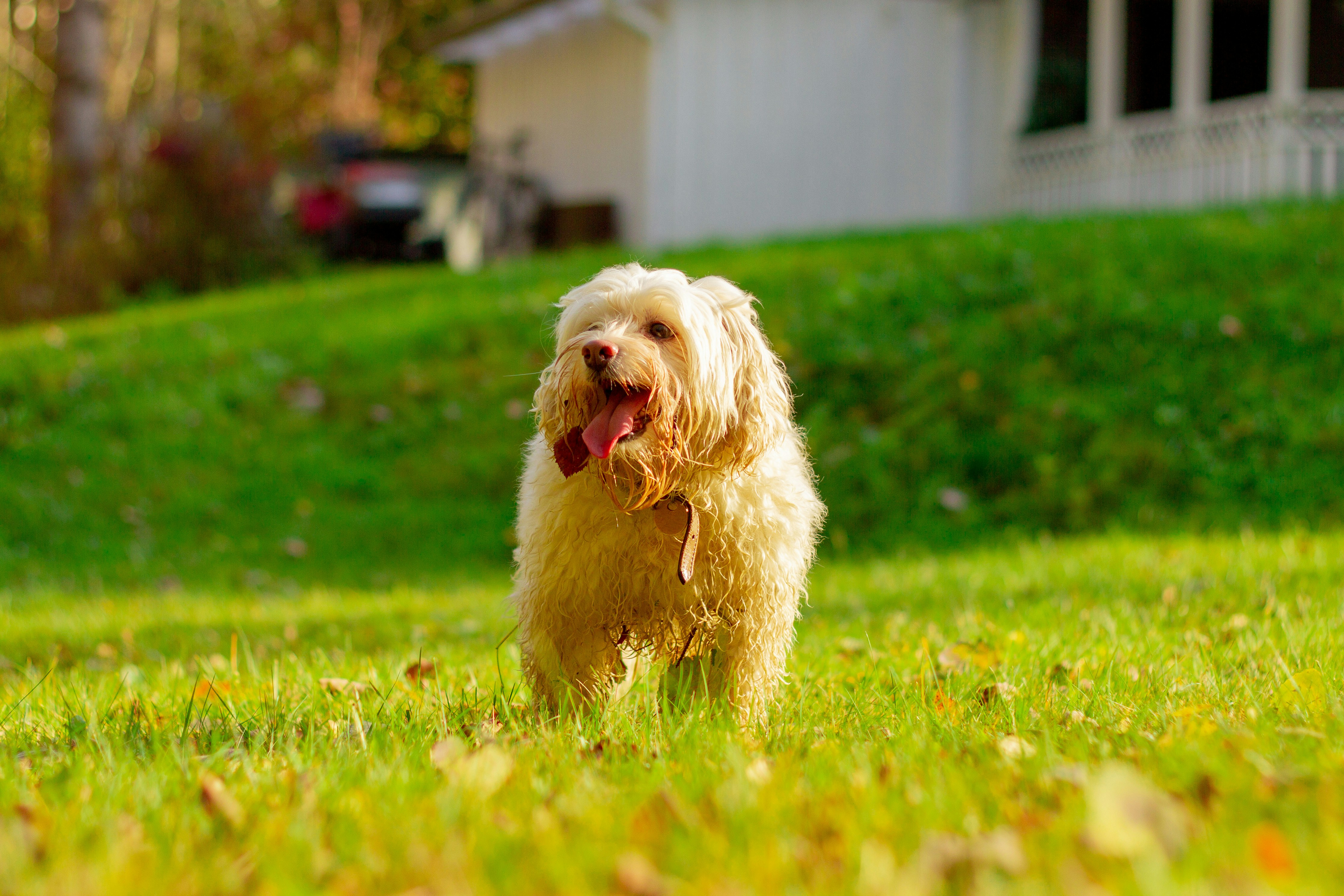
Bichon Frise adult — skin allergy and bladder stone diet management guide

petsBichon Frise Adult Guide

Bichon Frise Adult Food Guide

From 12 months to 8 years: LID allergy management, bladder stone prevention, tear stain diet, and weight control for patellar health in Bichon Frises.

Mueller 2016 Skin AllergyHand 2010 Bladder StonesNiemiec 2013 Dental

Table of Contents

  1. 01infoAdult Stage Traitsarrow_forward
  2. 02nutritionKey Nutrition Pointsarrow_forward
  3. 03calculateCalorie & Feeding Guide by Weightarrow_forward
  4. 04health_and_safetyThree Key Health Issuesarrow_forward
  5. 05checklistFood Selection Criteriaarrow_forward
01

Adult Stage Traits

Adult Stage (12 months–8 years)

  • checkSkin allergy onset — despite their hypoallergenic coat, Bichons' skin is sensitive. Food and environmental allergies often become apparent between ages 3–4
  • checkBladder stone risk increases — struvite and calcium oxalate stone incidence rises in adulthood; hydration and mineral balance are critical
  • checkTear stain management — white coat makes staining very visible; removing artificial colors and adding omega-3 is the dietary starting point
  • checkDental disease and patellar luxation progressing — Niemiec (2013): 80%+ of small dogs develop periodontal disease before age 3; weight control is the key to preventing patellar deterioration

Three Adult-Stage Priorities

① Skin allergy & tear stains → single-protein LID + omega-6:3 ratio ≤ 10:1 + no artificial colors

② Bladder stones → wet food mix for hydration + controlled magnesium and phosphorus

③ Dental & patellar health → 5–8 mm crunchy kibble + maintain ideal weight (3–5 kg)

02

Key Nutrition Points

  • checkSingle-protein LID (limited ingredient diet) food — foundation for eliminating allergy-triggering proteins and managing tear stains. Mueller et al. (2016): 8–12 weeks of LID is the gold standard for diagnosing food allergies
  • checkOmega-6:omega-3 ratio ≤ 10:1 — strengthens skin barrier and supports tear film. Hand et al. reference: omega-3 supplementation significantly improves skin barrier function
  • checkMagnesium ≤ 0.1%, controlled phosphorus — core minerals for bladder stone prevention
  • checkMix 20–30% wet food — increases water intake to dilute urine. Hand et al. (2010): adequate hydration is the single most effective prevention strategy for both stone types
  • checkKibble size 5–8 mm — mechanical plaque removal, sized for small jaws
  • checkNo artificial colors, BHA, or BHT — minimize tear stain and skin reactions
  • checkPost-neutering: switch to indoor/light formula — reduce calories 15–20% to support patellar health
03

Calorie & Feeding Guide by Weight

Neutered adult maintenance: RER (70 × body weight kg^0.75) × factor 1.4–1.6. If mixing wet food, add both caloric amounts together.

WeightDaily Calories (Adult, Neutered)Dry Food Reference
3 kg~220–255 kcal/day~55–64 g (based on 400 kcal/100 g)
3.5 kg~250–290 kcal/day~63–73 g
4 kg~275–320 kcal/day~69–80 g
4.5 kg~300–340 kcal/day~75–85 g
5 kg~325–375 kcal/day~81–94 g
lightbulbKeep treats to 10% of daily calories. A 3 kg Bichon's daily treat allowance is approximately 22–25 kcal — roughly 1–2 small treats.
04

Three Key Health Issues

Skin Allergy & Tear Stains — LID and Omega-3 Are Central

  • checkHillier & Griffin (2001): food hypersensitivity causes skin itch, paw-licking, ear inflammation, and eye irritation — all amplified in the skin-sensitive Bichon
  • checkCommon allergens: chicken, beef, wheat. Mueller et al. (2016): 8–12 week LID with a novel single protein and single carbohydrate is the diagnostic standard — eliminate all treats not meeting this protocol
  • checkRemoving artificial colors is the first dietary step for tear stain management. Omega-3 (EPA+DHA) supports skin barrier function and tear film quality

Bladder Stones — Hydration and Mineral Balance

  • checkTwo common stone types in Bichons: ① Struvite — excess magnesium/phosphorus, alkaline urine. ② Calcium oxalate — excess calcium/oxalic acid. Management differs by type; veterinary diagnosis comes first
  • checkHand et al. (2010): adequate hydration to dilute urine is effective prevention for both stone types. Mix 20–30% wet food or add water to dry kibble to increase daily intake
  • checkBlood in urine, straining to urinate, frequent urination, or reduced urine output — seek veterinary care immediately. Dogs with a stone history should use prescription urinary diets

Dental Disease & Patellar Luxation — Crunchy Kibble and Weight Control

  • checkNiemiec (2013): over 80% of small dogs develop periodontal disease before age 3. The 5–8 mm crunchy kibble mechanical friction plus daily brushing plus annual scaling is the standard care regimen
  • checkLund et al. (2006): excess weight is a major patellar luxation aggravator. Maintaining the Bichon's ideal weight (3–5 kg) is the first priority — reduce calories 15–20% post-neutering
  • checkGlucosamine/chondroitin-containing food supports joint cartilage. Omega-3 (EPA+DHA) suppresses inflammatory mediators within the joint
05

Food Selection Criteria

Instead of recommending specific brands, here are the food-type criteria that work best for adult Bichon Frises.

  • checkSingle animal protein (duck, salmon, lamb, turkey) as first ingredient — LID base for allergy elimination diet
  • checkOmega-3 (EPA+DHA) listed — from fish oil or krill oil; supports skin, tears, and joint health simultaneously
  • checkOmega-6:omega-3 ratio ≤ 10:1 — more stringent than AAFCO's permissive 30:1 limit
  • checkMagnesium ≤ 0.1% — bladder stone prevention mineral management
  • checkKibble size 5–8 mm — dental friction benefit; fits small jaw
  • checkNo artificial colors, BHA, or BHT — minimize tear stain and skin reactions
  • checkPost-neuter: indoor/light formula — calorie density reduced for patellar management

자주 묻는 질문

Q. Can diet improve skin allergies in Bichons?

If food allergy is the cause, dietary change can significantly reduce symptoms. Mueller et al. (2016): the standard for diagnosing food allergies is an 8–12 week LID elimination diet using a novel protein (duck, salmon, rabbit, kangaroo) and a single carbohydrate, with no treats outside this protocol. Environmental allergens (dust mites, pollen) often overlap in presentation, so a vet examination first is recommended.

Q. My Bichon has a history of bladder stones. What food should I use?

Management depends on stone type. Struvite (caused by excess magnesium and phosphorus, alkaline urine) requires a low-magnesium, acidifying prescription diet. Calcium oxalate (excess calcium and oxalic acid) requires a low-calcium, low-sodium prescription diet. Both types share one priority: adequate water intake. If your dog has a stone history, use a vet-prescribed urinary care diet rather than switching to general food.

Q. My Bichon gained weight after being neutered. How do I manage it?

Neutering reduces basal metabolic rate — the same food amount creates a 15–20% caloric surplus. Lund et al. (2006): indoor small-breed dogs have particularly high obesity prevalence. Switch to an indoor/light formula or reduce the current amount by 15%. A 3 kg Bichon's daily treat allowance is only about 22–25 kcal (1–2 small treats).

Q. Will changing food help with my Bichon's tear stains?

Switching to a food without artificial colors and with adequate omega-3 sometimes reduces tear staining. Mueller et al. (2016): allow at least 4–8 weeks to observe changes in skin and coat after a dietary shift. However, tear stains have multiple causes — blocked tear ducts, pigmentation, oral bacteria — so food alone may not fully resolve the issue.

Q. Is grain-free food safe for Bichons?

The U.S. FDA has been investigating a potential link between grain-free diets (particularly those high in legumes such as peas and lentils) and dilated cardiomyopathy (DCM) since 2018. For Bichons, allergies are almost always triggered by animal proteins — not grains — so there is no specific reason to choose grain-free unless a grain allergy is confirmed by an elimination diet.

Related Guides

warningInformation on this page is for general educational purposes. Please consult your veterinarian for health concerns.