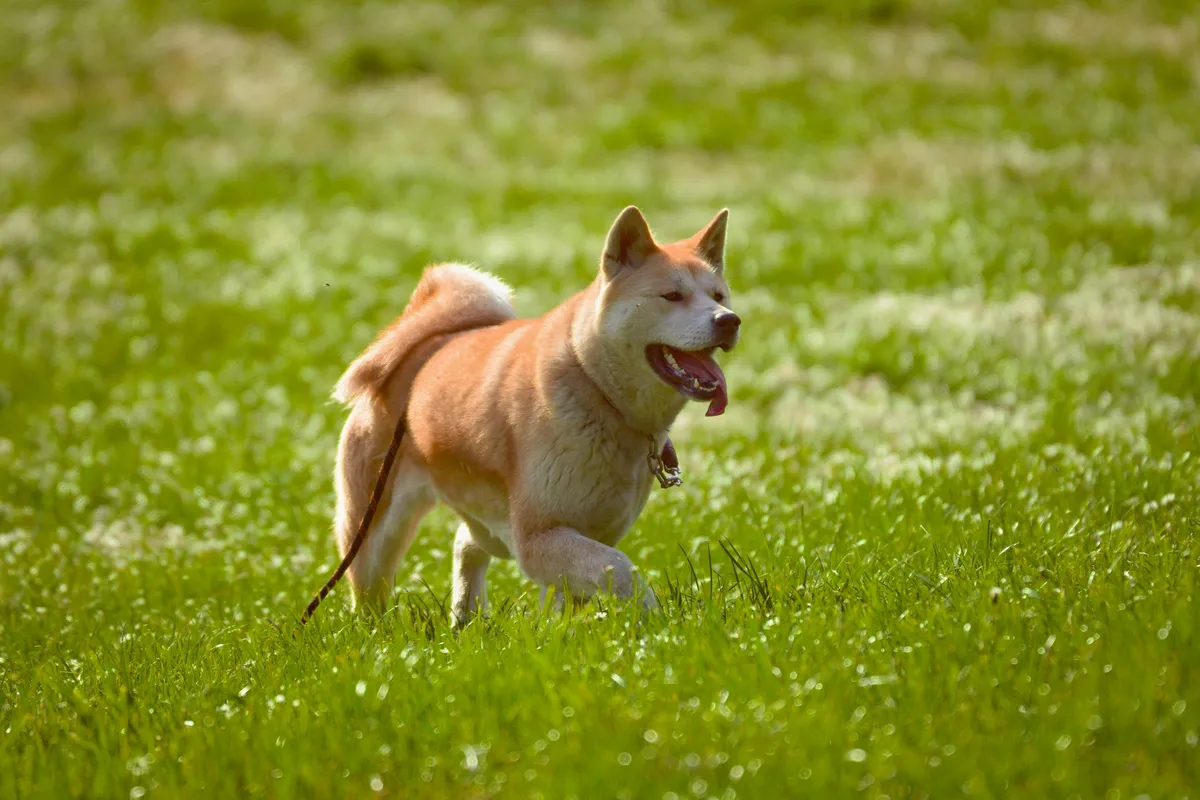
Jindo adult food guide

petsJindo Adult Guide

Jindo Adult Food Guide

For adult Jindo dogs (1–8 years): double-coat shedding season omega-3, zinc, and biotin nutrition; hypothyroidism weight management; picky-eating solutions; and joint protection backed by veterinary nutrition research.

Double Coat Omega-3Hypothyroidism Weight MgmtGlucosamine Joints

On This Page

  1. 01infoAdult Stage Traitsarrow_forward
  2. 02nutritionKey Nutrition Pointsarrow_forward
  3. 03calculateCalorie & Feeding Guide by Weightarrow_forward
  4. 04health_and_safetyHealth Management Checklistarrow_forward
  5. 05checklistFood Selection Criteriaarrow_forward
01

Adult Stage Traits

Adult Stage (1–8 years)

  • checkSpring and fall double-coat shedding — triggered by daylight changes, causing heavy coat turnover. Products rich in omega-3, zinc, and biotin support increased nutritional demand during shedding
  • checkHypothyroidism risk begins — incidence increases between ages 4–8. Dixon et al. (1999): unexplained weight gain, bilateral symmetric hair loss, and lethargy are key symptoms. Annual thyroid screening recommended from age 4
  • checkPicky eating temperament — Jindos have an inherent tendency toward voluntary fasting. A consistent feeding routine and the 20-minute rule are essential
  • checkJoint health — as a medium-sized breed, joint stress increases rapidly with weight gain. Glucosamine and chondroitin in food plus healthy weight maintenance are important

Adult Stage Key Priorities

① Omega-3 + zinc + biotin — double-coat skin barrier and shedding season coat regeneration

② Thyroid and weight monitoring — monthly weigh-ins, annual thyroid screening from age 4

③ Regular feeding routine — the core of picky-eating management

02

Key Nutrition Points

  • checkMaintain protein ≥25% — essential for preserving muscle mass and supplying keratin for the double coat
  • checkOmega-3 (EPA+DHA) clearly labeled — supports double-coat skin barrier year-round. Consider adding a fish oil supplement during spring and fall shedding seasons
  • checkZinc and biotin (B7) included — essential minerals and vitamins for coat regeneration and keratin synthesis during shedding seasons
  • checkGlucosamine and chondroitin included — continuous joint cartilage protection for medium-sized dogs. Omega-3 also reduces joint inflammation
  • checkStrict regular feeding schedule — twice daily, remove the bowl after 20 minutes. Limit treats to under 10% of daily calories
  • checkHypothyroidism monitoring — watch for unexplained weight gain, bilateral symmetric hair loss, or lethargy. Annual thyroid screening (T4) recommended from age 4
03

Calorie & Feeding Guide by Weight

Neutered adult, moderate activity: RER × 1.4–1.6. Increase calories appropriately on days with more outdoor activity.

WeightDaily CaloriesNotes
15 kg~700–820 kcal/dayAdult, neutered, moderate activity (RER × 1.4–1.6)
18 kg~810–950 kcal/dayAdult, neutered, moderate activity (RER × 1.4–1.6)
20 kg~880–1,030 kcal/dayAdult, neutered, moderate activity (RER × 1.4–1.6)
23 kg~980–1,150 kcal/dayAdult, neutered, moderate activity (RER × 1.4–1.6)
lightbulbIf hypothyroidism is present, calorie management is even more important. Adjust feeding amounts under veterinary guidance.
04

Health Management Checklist

  • checkShedding season nutrition boost — add a fish oil supplement (EPA+DHA 20–50mg per kg body weight daily) in spring and fall. Zinc and biotin support coat regeneration
  • checkHypothyroidism early detection — incidence increases between ages 4–8. Dixon et al. (1999): unexplained weight gain, bilateral symmetric hair loss, and lethargy are the main symptoms. Annual thyroid screening (T4) recommended from age 4
  • checkThree picky-eating rules — ① consistent twice-daily feeding schedule ② remove bowl after 20 minutes ③ treats under 10% of daily calories. Excessive treats worsen food refusal
  • checkJoint protection — every kilogram of excess weight multiplies joint stress. Monthly weight checks help prevent obesity
  • checkGradual food transition over 7–10 days — Jindos are sensitive to sudden changes
05

Food Selection Criteria

  • checkMedium breed adult formula (appropriate kibble size and calorie density)
  • checkProtein ≥25%
  • checkOmega-3 (EPA+DHA) labeled — double-coat skin barrier
  • checkZinc and biotin — shedding season coat regeneration
  • checkGlucosamine and chondroitin — joint cartilage protection
  • checkNo artificial preservatives (BHA, BHT, ethoxyquin)

자주 묻는 질문

Q. What food is best for an adult Jindo?

A medium breed adult formula with high-quality single-source animal protein (chicken, salmon, or beef) as the first ingredient is ideal. Choose products with clearly labeled omega-3 (EPA+DHA) to support the double coat's skin barrier, and look for zinc and biotin for shedding season coat health. Glucosamine and chondroitin protect joint cartilage.

Q. Should I change my Jindo's food during shedding season?

Seasonal shedding is a physiological response to changes in daylight and cannot be eliminated through diet. However, you can add a fish oil supplement (EPA+DHA 20–50mg per kg body weight) during spring and fall, or temporarily switch to a food higher in omega-3, zinc, and biotin. Non-seasonal hair loss outside shedding periods may indicate nutritional deficiency or a thyroid problem — consult a veterinarian.

Q. My Jindo won't eat. What should I do?

Jindos have a tendency toward voluntary fasting — appetite fluctuation within one day may be a breed characteristic. Strict feeding schedules, removing the bowl after 20 minutes, and limiting treats are the core strategies. If food refusal lasts 2 days or more, or is accompanied by lethargy, vomiting, or diarrhea, seek veterinary care.

Q. How should I manage an adult Jindo's diet if hypothyroidism is diagnosed?

Hypothyroidism requires veterinary prescription hormone treatment as the primary intervention. Dietary management is supportive: a lower-calorie food to prevent weight gain, avoiding extreme iodine excess or deficiency, and monthly weight monitoring are key. Weight gain worsens joint stress, so early diagnosis and treatment matter. Annual thyroid screening is recommended from age 4.

Related Guides

warningThis page is for general educational purposes. Consult a veterinarian for health concerns specific to your dog.