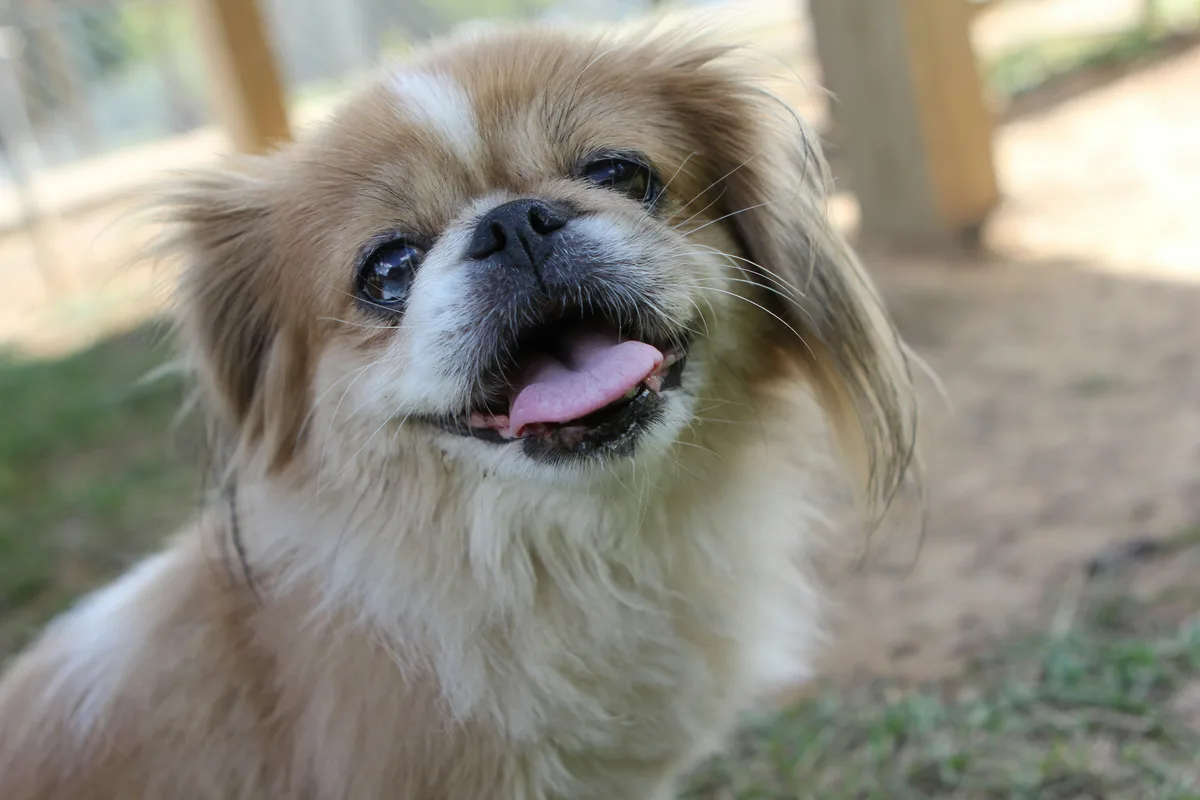
페키니즈 퍼피 가이드
페키니즈 퍼피 사료 가이드
페키니즈 퍼피(0~12개월): 단두증 구조에 맞는 소알갱이·습식 선택, DHA로 눈·뇌 발달 지원, 분할 급여로 흡인을 예방하고 퍼피 시기부터 비만을 방지하는 전문 가이드입니다.
AAFCO 성장기 기준퍼피 DHA 뇌·눈 발달NRC 2006 기준
이 페이지의 목차
01
이 시기의 특성
퍼피기 (0~10개월)
- 단두증 소알갱이 — 납작한 주둥이 구조로 큰 알갱이 삼키기 어렵고 흡인 위험. 소알갱이(≤8mm) 또는 습식 사료를 퍼피 초기부터 선택
- 분할 급여 필수 — 3~4회 소량 분산 급여로 역류·흡인 방지. 각 식사 후 30분 안정 필수
- 비만 예방 기초 — 활동량이 퍼피 때부터 낮음. 정상 체중 유지가 미래 IVDD·관절 보호의 핵심
- 눈 건강 기반 형성 — 안구돌출 소인에 대비해 DHA·타우린 함유 퍼피 사료로 망막·눈물막 발달 지원
02
핵심 영양 포인트
- 소형견 퍼피 전용 사료 선택 — 단백질 22.5% 이상, AAFCO 성장기 기준 충족. 칼슘·인 비율 1.0~1.8:1 설계로 소형견 골격 발달 지원
- 소알갱이(≤8mm) 또는 습식 사료 — 납작한 주둥이 구조상 큰 알갱이 흡입 시 기도 위험. 퍼피 전용 소알갱이 제품 또는 건식+습식 혼합 급여
- DHA(EPA+DHA) 포함 — 뇌·망막 발달. 페키니즈는 안구돌출 소인이 있어 퍼피 시기 눈 건강 영양 기반 형성이 중요
- 하루 3~4회 소량 분할 급여 — 단두증으로 인한 식도·위장 부담 분산, 과식 방지. 1회 급여량을 작게 나눌수록 흡인·역류 위험 감소
- 급식 후 30분 내 격렬한 활동 금지 — 역류·흡인성 폐렴 위험. 조용한 환경에서 소량씩 먹도록 유도
- 칼슘 보충제 추가 금지 — 완전 영양 퍼피 사료로 충분. 추가 보충 시 결석·골격 발달 이상 위험
03
체중별 급여량·칼로리 표
퍼피기 하루 에너지 요구량 기준: 약 80~100 kcal/kg × 성장인자 1.5~2.0 적용. 성장 속도가 빠른 시기이므로 체중 변화를 주 1회 이상 체크하세요.
| 체중 | 하루 권장 칼로리 | 비고 |
|---|---|---|
| 2 kg | 약 235~295 kcal/일 | 성장 퍼피 (RER × 2.0~2.5) |
| 3 kg | 약 320~400 kcal/일 | 성장 퍼피 (RER × 2.0~2.5) |
| 4 kg | 약 395~495 kcal/일 | 성장 퍼피 (RER × 2.0~2.5) |
⚠ 위 수치는 참고용입니다. 사료마다 칼로리가 다르므로 반드시 포장지 급여 기준표를 우선 확인하세요.
💡 급여 후 떨거나 무기력한 증상이 보이면 즉시 수의사에게 연락하세요. 저혈당은 퍼피에게 응급 상황입니다.
04
건강 관리 체크리스트
- 소알갱이·습식 유지 — 단두증 해부학적 구조는 평생 변하지 않습니다. 퍼피 초기부터 소알갱이 또는 습식 혼합 습관을 들이세요
- 과식·비만 예방 — 페키니즈는 퍼피 시절부터 활동량이 낮습니다. 월 1회 체중 측정으로 과잉 성장 여부를 확인하세요. BCS 5/9 이하 유지가 목표
- IVDD 예방 기반 — 연골이형성증 유전자 보유 견종으로, 퍼피 시기 체중 과잉은 미래 척추 하중을 결정합니다. 정상 체중 유지가 가장 중요한 IVDD 예방책
- 눈 건강 — 안구돌출 소인 견종으로, 퍼피 시기 DHA·타우린 함유 사료 선택이 눈물막 형성과 망막 발달에 도움을 줍니다
- 급이그릇 높이기 — 5~10cm 높이면 목을 과도하게 내리지 않아도 되어 역류·흡인 위험이 감소합니다. 슬로피더 급이그릇 병행도 고려하세요
05
사료 선택 기준
특정 브랜드 추천 대신, 페키니즈 퍼피에게 잘 맞는 사료 타입 기준을 정리했습니다.
- 소형견 퍼피 전용 (AAFCO 성장기 기준, 단백질 22.5% 이상)
- 소알갱이(6~8mm 이하) 또는 습식 사료
- DHA(EPA+DHA) 포함 — 뇌·눈 발달
- 하루 3~4회 소량 분할 급여
- 칼슘 보충제 추가 금지
- 급식 후 30분 안정 — 흡인 예방
자주 묻는 질문
페키니즈 퍼피에게 소알갱이 사료가 반드시 필요한가요? +
예. 페키니즈는 단두종으로 주둥이가 납작하고 턱이 짧아 큰 알갱이를 제대로 씹지 못합니다. 무리하게 삼킬 경우 기도 흡입(aspiration) 위험이 있습니다. 알갱이 직경 6~8mm 이하의 소형견 전용 사료나 습식 사료를 퍼피 초기부터 선택하세요. 이 습관은 평생 유지해야 합니다.
페키니즈 퍼피 하루 급여 횟수는 몇 번이 적당한가요? +
하루 3~4회가 권장됩니다. 단두증으로 인해 한 번에 많은 양을 먹으면 식도·위장 부담이 크고 역류 위험이 높아집니다. 총 칼로리는 동일하게 유지하면서 1회 급여량을 줄이는 것이 핵심입니다. 각 식사 후 30분간은 격렬한 활동을 피해야 합니다.
페키니즈 퍼피가 비만이 될 수 있나요? +
예. 페키니즈는 퍼피 시기에도 다른 소형 견종에 비해 활동량이 적고 칼로리 요구량이 낮습니다. 사료 권장량을 그대로 급여하면 과잉 열량이 될 수 있습니다. 월 1회 체중 측정과 체형지수(BCS) 확인을 습관화하고, BCS가 5/9를 초과하면 즉시 급여량을 조절하세요.
DHA가 포함된 퍼피 사료가 페키니즈에게 특히 중요한 이유가 있나요? +
페키니즈는 안구가 크고 돌출되어 있어 각막 손상에 취약합니다. 퍼피 시기 DHA는 뇌·망막 발달뿐 아니라 눈물막 지질층 형성에도 기여합니다. 타우린도 함께 포함된 제품을 선택하면 망막 세포 보호에 추가적인 도움이 됩니다.
페키니즈 퍼피 추천 사료
아래 제품은 참고용 예시입니다. 반드시 우리 아이 상태와 수의사 의견을 우선하세요.
ℹ 이 페이지는 쿠팡 파트너스 활동의 일환으로, 이에 따른 일정액의 수수료를 제공받습니다.
다른 연령대 가이드
관련 가이드
⚠️ 이 페이지의 정보는 일반적인 교육 목적입니다. 건강 문제가 있는 경우 수의사와 상담하세요.