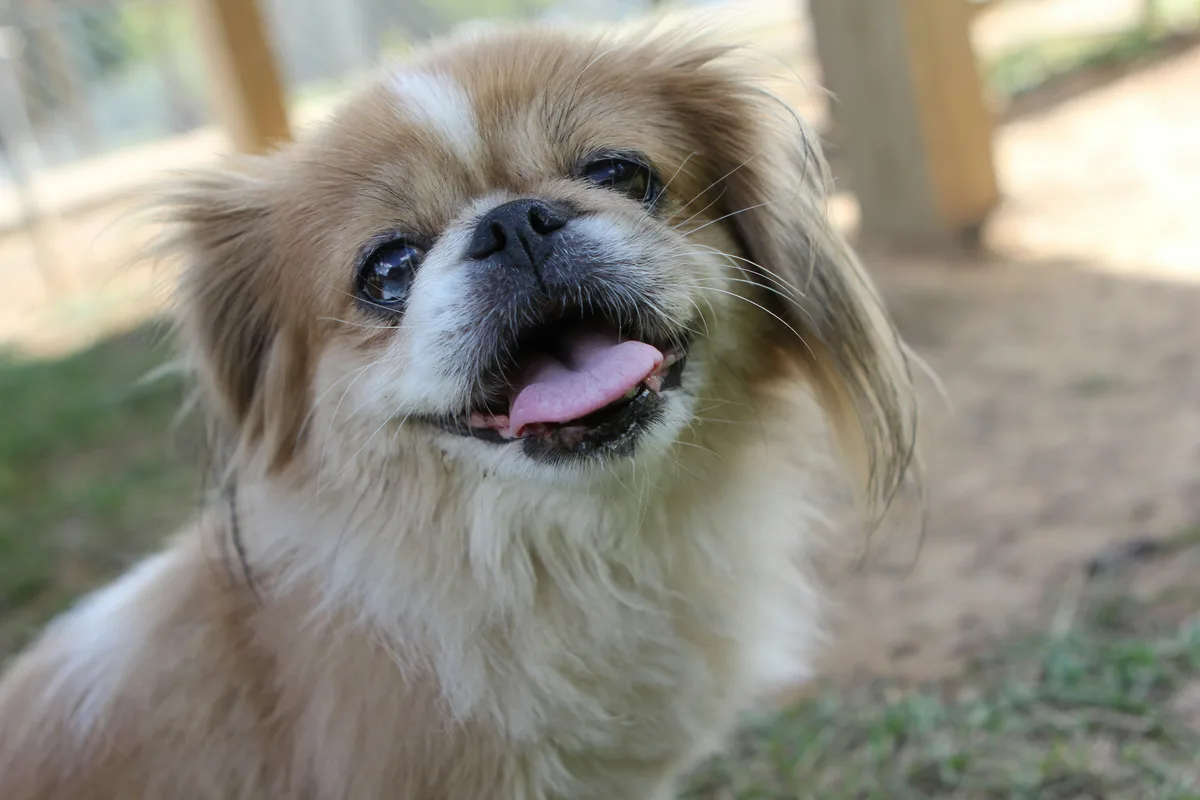
Pekingese senior food guide

petsPekingese Senior Guide

Pekingese Senior Food Guide

For senior Pekingese (8+ years): low-calorie weight management, glucosamine for IVDD and joint support, low-phosphorus kidney care, and DHA with taurine for aging eye health.

Low-Calorie SeniorIVDD & Joint SupportKidney & Eye Care

On This Page

  1. 01infoSenior Stage Traitsarrow_forward
  2. 02nutritionKey Nutrition Pointsarrow_forward
  3. 03calculateCalorie & Feeding Guide by Weightarrow_forward
  4. 04health_and_safetyHealth Management Checklistarrow_forward
  5. 05checklistFood Selection Criteriaarrow_forward
01

Senior Stage Traits

Senior Stage (8+ years)

  • checkAccelerating weight gain risk — further activity reduction can cause rapid weight gain. A low-calorie senior food and monthly weigh-ins are essential
  • checkIVDD and joint aging — disc degeneration progresses, raising the risk of pain and paralysis. Increased glucosamine and chondroitin combined with environmental measures to limit jumping
  • checkBOAS respiratory decline — respiratory reserve decreases further with age. Raise the wet food proportion and serve small, frequent meals
  • checkKidney and cognitive monitoring — annual blood work for kidney function; watch for signs of cognitive dysfunction and consider DHA/MCT-enriched senior formulas if needed
infoSenior essentials: ① Maintain low-calorie intake ② Increase wet food proportion ③ Glucosamine for IVDD support ④ Low phosphorus + annual blood work for kidney protection
02

Key Nutrition Points

  • checkFurther reduce calories with a senior formula — activity decreases even more in old age, so cutting 10–15% below the adult target is realistic. Switch to a dedicated low-calorie senior food
  • checkIncrease wet food proportion — aging brachycephalic dogs have reduced respiratory reserve and weakened chewing ability. Raising the wet food ratio compared to adulthood reduces intake strain
  • checkIncreased glucosamine & chondroitin — slows IVDD progression and protects joint cartilage in seniors. Add a dedicated joint supplement if the food does not contain it
  • checkLower phosphorus content — reduces kidney workload in seniors. Check kidney function with annual blood work (BUN, creatinine)
  • checkDHA, MCT & vitamin E — if cognitive dysfunction syndrome (CDS) signs appear, confirm the presence of brain-health nutrients. Taurine and lutein continue to support aging ocular health
  • checkMaintain protein ≥18% DM — prevents sarcopenia in seniors. If kidney function is normal, do not reduce protein. Choose easily digestible, high-quality sources (chicken, salmon)
03

Calorie & Feeding Guide by Weight

Senior baseline: RER × 1.0–1.2. Use the lower end if activity has declined significantly or obesity tendency is present.

WeightDaily CaloriesNotes
3 kg~120–150 kcal/daySenior (RER × 1.0–1.2)
4 kg~150–190 kcal/daySenior (RER × 1.0–1.2)
5 kg~180–225 kcal/daySenior (RER × 1.0–1.2)
6 kg~205–255 kcal/daySenior (RER × 1.0–1.2)
lightbulbEven in the senior years, serve small, frequent portions (3–4 times per day) and ensure 30 minutes of calm rest after each meal to manage BOAS aspiration risk.
04

Health Management Checklist

  • checkStrengthen weight management — further decreased activity can cause rapid weight gain. Weigh monthly, target BCS 3–4/9. Excess weight worsens IVDD, breathing, and joint health together
  • checkIncrease wet food proportion — aspiration risk increases in aging brachycephalic dogs. Aim for a 1:1 dry-to-wet ratio or higher wet proportion; serve small portions more frequently
  • checkOngoing IVDD and joint support — use a senior food with increased glucosamine and chondroitin, or add a joint supplement. Continue to limit jumping on elevated surfaces as an environmental measure
  • checkKidney function monitoring — annual blood work (BUN, creatinine). If kidney decline is detected, transition to a low-phosphorus prescription food under veterinary guidance
  • checkWatch for cognitive changes — disorientation, altered sleep patterns, or reduced responsiveness may signal cognitive dysfunction syndrome. Consider a senior formula with MCT oil, DHA, and vitamin E
05

Food Selection Criteria

  • checkSmall-breed senior formula (low-calorie, digestibility-focused design)
  • checkSmall kibble or increased wet food proportion — lifelong BOAS principle
  • checkIncreased glucosamine & chondroitin — senior IVDD and joint protection
  • checkLower phosphorus — kidney protection
  • checkDHA, taurine & lutein — aging eye health
  • checkProtein ≥18% DM maintained — prevents sarcopenia

자주 묻는 질문

Q. When should I switch my Pekingese to senior food?

Generally from around 8 years of age. A noticeable decline in activity or unexplained weight gain are the transition signals. Transition gradually over 7–10 days and time it with a veterinary health check-up.

Q. Should I reduce protein for a senior Pekingese?

No — if kidney function is normal. Maintaining high-quality protein prevents sarcopenia (age-related muscle loss). Protein restriction should only be applied after a kidney disease diagnosis, under veterinary guidance. Without adequate protein, body weight may appear stable but the fat-to-muscle ratio worsens.

Q. My senior Pekingese's IVDD symptoms have worsened. Can diet help?

Switching to a senior food with increased glucosamine and chondroitin, or adding a joint supplement, and intensifying weight management can help. However, acute IVDD episodes (paralysis, pain, urinary changes) require immediate veterinary treatment — dietary management alone is not sufficient. If pain is visible, go to a vet immediately.

Q. Why should I increase wet food for a senior Pekingese?

As brachycephalic dogs age, respiratory reserve decreases and chewing strength weakens. Large dry kibble becomes harder to chew and swallow safely, increasing aspiration risk. Wet food is higher in moisture, making it easier to consume, and also supports kidney health by increasing daily fluid intake.

Related Guides

warningThis page is for general educational purposes. Consult a veterinarian for health concerns specific to your dog.