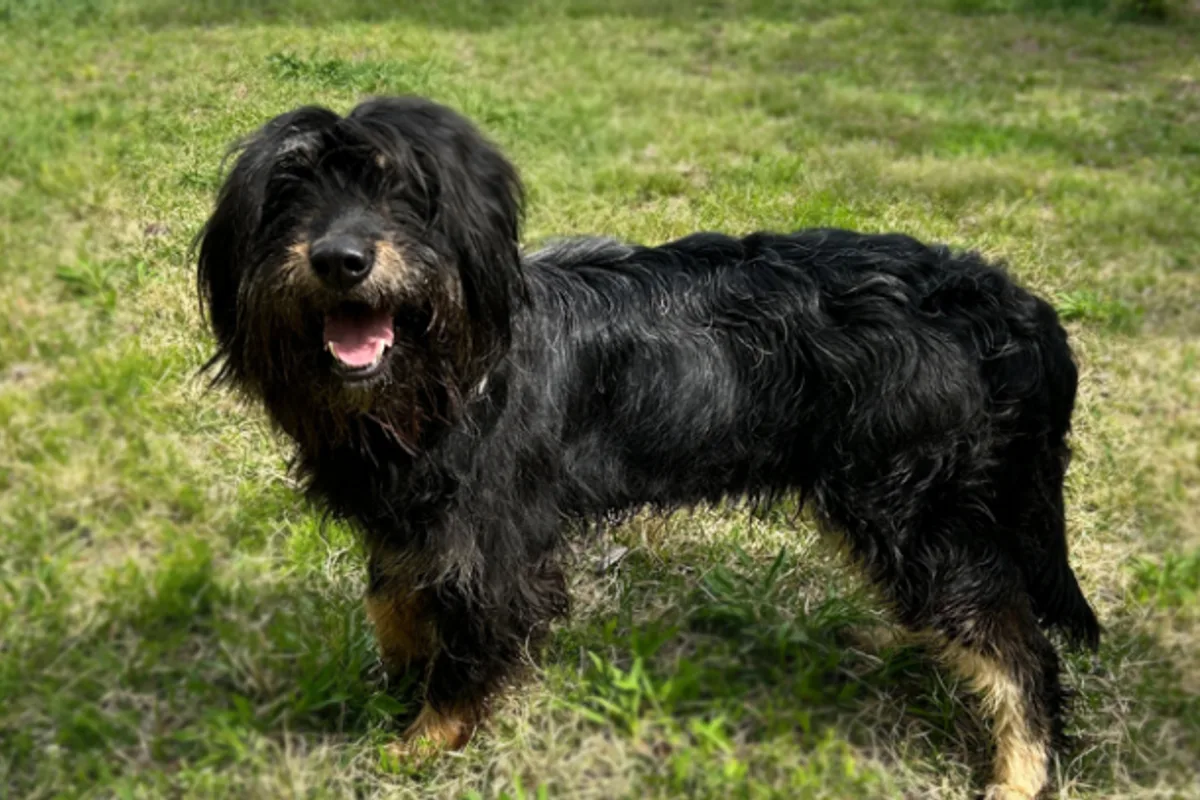
Sapsali — long double coat, hip joint, and thyroid health food guide

petsBreed Guide

Sapsali Food Guide

The Sapsali (Korean Natural Monument No. 368) is known for its uniquely shaggy long double coat. Managing coat health, hip joints, and thyroid function are the nutritional priorities for this breed.

AAFCO 2023 StandardKorean Natural Monument No. 368

On This Page

  1. 01infoBasic Info & Key Health Issuesarrow_forward
  2. 02calendar_todayAge-Specific Nutrition Pointsarrow_forward
  3. 03calculateCalorie & Feeding Guide by Weightarrow_forward
  4. 04health_and_safety4 Key Health Management Pointsarrow_forward
  5. 05checklistFood Selection Checklistarrow_forward
01

Basic Info & Key Health Issues

Average WeightMale 20–27 kg / Female 17–23 kg
Average Lifespan11–14 years
Coat TypeLong, shaggy double coat (hair covers the eyes) — black, blonde, or mixed
Common Health IssuesHip dysplasia, skin and coat conditions (thick coat), hypothyroidism, eye health
Activity LevelModerate (gentle and adaptable temperament)

Sapsali Nutrition Essentials

① Long double coat — food with omega-3 (EPA+DHA), zinc, and biotin

② Hip dysplasia — maintain ideal weight + glucosamine and chondroitin

③ Thyroid health — AAFCO-balanced food for normal selenium and iodine intake

02

Age-Specific Nutrition Points

Puppy (0–12 months)

  • checkChoose a medium breed puppy formula. Minimum 22% protein with DHA to support skeletal development and establish long-coat health from the start.
  • checkOmega-3 (EPA+DHA) is essential — the skin barrier and coat quality of the long double coat are determined largely by nutrition during puppyhood.
  • checkDHA — Kelley et al. (2004): DHA-supplemented puppies showed significantly improved learning ability and retinal function.
  • checkFeed 3–4 small meals daily to stabilize blood sugar and digestion; reduce to 2–3 times daily after 6 months.
  • checkTransition to any new food gradually over 7–10 days — native Korean breeds can react sensitively to sudden diet changes.

Adult (1–8 years)

  • checkChoose food with sufficient omega-3, zinc, and biotin to support the long double coat year-round. Mueller et al. (2016): omega-3 supplementation strengthens the skin barrier function.
  • checkGlucosamine (400 mg/kg or more) and chondroitin — ongoing cartilage support for the hip joint.
  • checkMaintain ideal weight — excess weight directly increases the load on the hip joints in a breed predisposed to hip dysplasia. Weigh every two weeks.
  • checkChoose an AAFCO-compliant food with balanced selenium and iodine — both excess and deficiency can negatively affect thyroid function.
  • checkEye health — DHA and taurine support retinal and conjunctival health; trim hair covering the eyes regularly.

Senior (7+ years)

  • checkSwitch to a low-calorie, high-protein senior formula to preserve muscle mass while managing weight. Protein restriction in dogs with normal kidney function causes muscle loss.
  • checkMaintain glucosamine and chondroitin, and choose lower-phosphorus formulas to protect both the kidneys and joints.
  • checkHypothyroidism risk increases — Dixon et al. (1999): unexplained weight gain, bilaterally symmetric hair loss, and lethargy are the key signs. Annual thyroid bloodwork (T4) is recommended from age 7.
  • checkIf mobility declines, mix in wet food to improve palatability — dogs that refuse to eat lose muscle mass rapidly.
03

Calorie & Feeding Guide by Weight

RER (resting energy requirement) = 70 × body weight (kg)^0.75. Neutered adult factor: × 1.4–1.6.

WeightDaily CaloriesReference Portion (400 kcal/100 g)
17 kg~820–940 kcal/day~205–235 g
20 kg~925–1,060 kcal/day~232–265 g
23 kg~1,030–1,180 kcal/day~258–295 g
27 kg~1,170–1,335 kcal/day~293–334 g
warningCalorie density varies by food. Always check the packaging feeding guide first and include treat calories in the total. Weigh every two weeks.
04

4 Key Health Management Points

Long Double Coat & Skin Health

  • checkOmega-3 (EPA+DHA) — strengthens the skin barrier and improves coat shine and elasticity. Mueller et al. (2016): omega-3 supplementation strengthens the skin barrier function.
  • checkZinc and biotin — essential for follicle health and keratin synthesis. Deficiency can lead to dry coat and hair loss.
  • checkThe thick long coat traps moisture — watch for Malassezia (fungal skin) infections. Regular grooming and thorough drying after bathing are as important as diet.

Hip Dysplasia

  • checkMaintaining ideal weight is the most important preventive strategy — excess weight directly increases the mechanical load on the hip joints.
  • checkGlucosamine (400 mg/kg or more), chondroitin, and omega-3 — support cartilage and reduce joint inflammation.
  • checkIf severe dysplasia is confirmed, consult your vet about prescription joint support diets (Hills j/d or Royal Canin Mobility).

Hypothyroidism

  • checkRelatively common in native Korean breeds — Dixon et al. (1999): unexplained weight gain, bilaterally symmetric hair loss, and lethargy are the key signs.
  • checkChoose AAFCO-compliant food to maintain balanced selenium and iodine. Both excess and deficiency impair thyroid function.
  • checkAnnual thyroid blood panel (T4) is recommended from age 4–5 onward.

Eye Health (Hair-Covered Eyes)

  • checkHair covering the eyes is the primary cause of conjunctival irritation, tear staining, and conjunctivitis — regular trimming is essential.
  • checkDHA and taurine in the food provide nutritional support for retinal and conjunctival health.
  • checkPersistent discharge, redness, or cloudiness warrants a veterinary exam.
05

Food Selection Checklist

  • checkMedium to large breed formula (kibble size and calorie density appropriate for a 17–27 kg dog)
  • checkOmega-3 (EPA+DHA) clearly stated — supports the long double coat's skin barrier and shine year-round
  • checkZinc and biotin included — essential for healthy follicle function and keratin production
  • checkGlucosamine (≥ 400 mg/kg) and chondroitin — hip joint cartilage support
  • checkSingle animal protein (chicken, salmon, or beef) as the first ingredient
  • checkAAFCO-compliant — balanced selenium and iodine for thyroid health
  • checkNo artificial colors, BHA, BHT, or synthetic preservatives

자주 묻는 질문

Q. What food is best for a Sapsali?

A medium to large breed formula with sufficient omega-3, zinc, and biotin is recommended. Omega-3 (EPA+DHA) is the most important nutrient for maintaining the Sapsali's distinctive long double coat. The breed is also predisposed to hip dysplasia, so glucosamine and chondroitin are valuable additions.

Q. Can diet help prevent hip dysplasia in the Sapsali?

Genetic predisposition cannot be eliminated through diet alone, but maintaining a healthy weight and providing glucosamine and omega-3 support joint cartilage and can slow progression. Excess body weight significantly increases load on the hip joints. If severe dysplasia is diagnosed, ask your veterinarian about prescription joint support diets.

Q. Does diet help with the Sapsali's long coat?

Yes. Omega-3 (EPA+DHA) strengthens the skin barrier and improves coat shine and elasticity. Zinc and biotin are essential for follicle health and keratin synthesis. With adequate levels in the food, coat quality can visibly improve within 4–8 weeks. That said, regular grooming is equally important — the thick long coat traps moisture easily, raising the risk of fungal skin conditions (Malassezia).

Q. What is the connection between Sapsali hypothyroidism and diet?

Hypothyroidism is relatively common in native Korean breeds including the Sapsali. Nutritionally, choosing a food that meets AAFCO standards ensures balanced selenium and iodine intake — both excess and deficiency can impair thyroid function. If hypothyroidism is suspected (unexplained weight gain, symmetric hair loss, lethargy), seek veterinary blood testing and coordinate dietary management with the prescribed thyroid hormone therapy.

Q. The Sapsali's hair covers its eyes. Can diet help?

DHA and taurine in the food provide nutritional support for the retina and conjunctiva. However, the most important intervention for eye health in Sapsalis is regular grooming — trimming the hair that falls over the eyes prevents tear staining, conjunctivitis, and corneal irritation. Combine dietary support from within and environmental management through grooming.

Q. How much should I feed my Sapsali?

For a 20 kg neutered adult, approximately 925–1,060 kcal/day — roughly 232–265 g of a 400 kcal/100 g food. Always include treat calories in the total, and check the feeding guide on your specific food's packaging first since calorie density varies by product. Weigh your dog every two weeks and adjust portions accordingly.

Related Guides

References

  1. [1]AAFCO. (2023). Dog Food Nutrient Profiles.
  2. [2]NRC. (2006). Nutrient Requirements of Dogs and Cats. National Academies Press.
  3. [3]Mueller, R.S. et al. (2016). Critically appraised topic on adverse food reactions of companion animals. BMC Veterinary Research.
  4. [4]Kelley, R.L. et al. (2004). DHA-supplemented puppies show improved learning ability and retinal function. Journal of Nutrition.
  5. [5]Dixon, R.M. et al. (1999). Breed-associated hypothyroidism in dogs. Journal of Veterinary Internal Medicine.
warningThis page is for general educational purposes. Consult a veterinarian for health concerns specific to your dog.