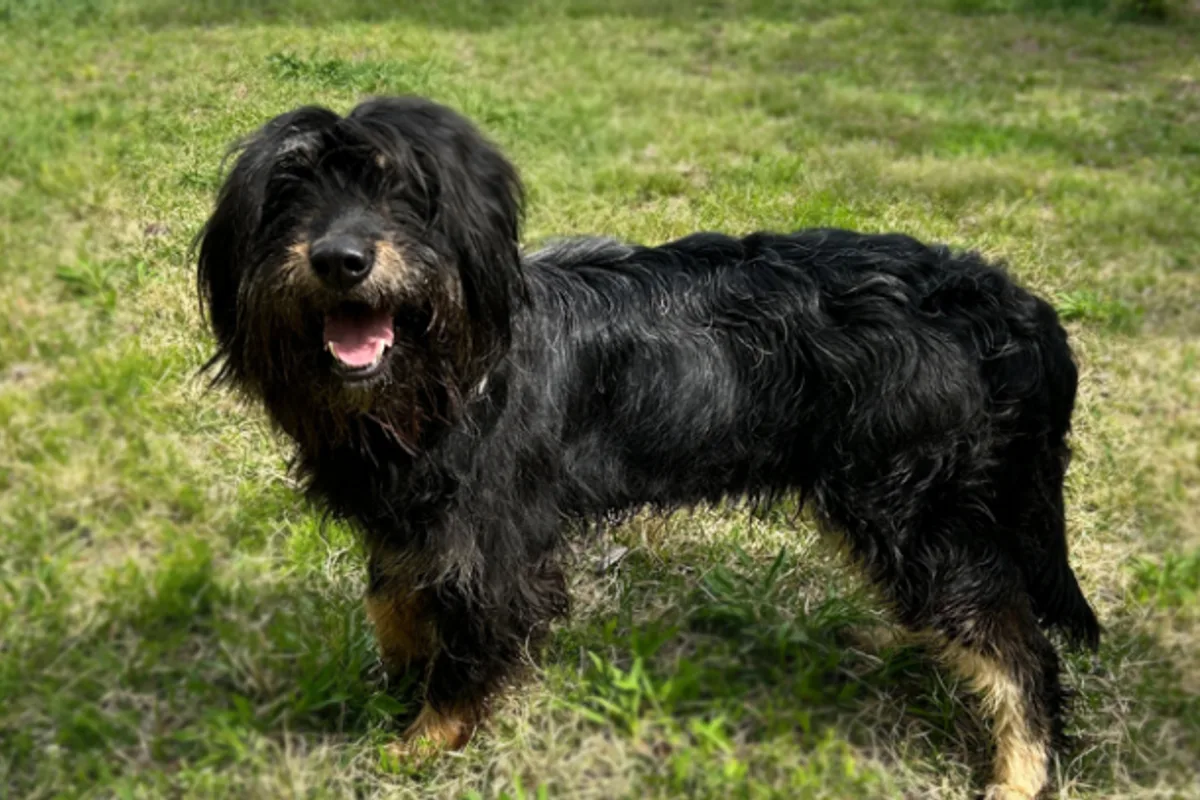
삽살개 시니어 가이드
삽살개 시니어 사료 가이드
저칼로리·고단백으로 근육을 유지하고 관절·신장을 동시에 보호합니다. 갑상선 기능 저하증은 연 1회 혈액 검사로 조기 발견이 핵심입니다.
AAFCO 성견 기준WSAVA 시니어 가이드라인NRC 2006 기준
이 페이지의 목차
01
이 시기의 특성
시니어기 (7세 이상)
- 활동량 감소·체중 증가 — 7세 이후 기초 대사율이 낮아지고 활동량이 줄어 체중이 빠르게 증가할 수 있습니다. 갑상선 기능 저하증까지 겹치면 체중 관리가 더 어려워집니다.
- 갑상선 기능 저하증 위험 증가 — 삽살개는 토종견 중 갑상선 기능 저하증이 비교적 흔하게 나타납니다. 7세 이후 연 1회 갑상선 수치(T4) 혈액 검사를 통해 조기 발견하는 것이 중요합니다.
- 관절·신장 복합 케어 — 고관절 이형성증 진행과 신장 기능 저하가 동시에 나타날 수 있습니다. 글루코사민·저인 성분이 포함된 시니어 사료가 두 가지를 동시에 지원합니다.
- 근감소증 예방 — 노령견의 근육 손실은 이동성 저하와 삶의 질 감소로 이어집니다. 신장 기능이 정상이면 단백질을 줄이지 말고 18% 이상 유지하세요.
02
핵심 영양 포인트
- 저칼로리·고단백 시니어 사료 — 근육량 유지하며 체중 관리. 신장 기능이 정상이면 단백질을 줄이지 마세요. 근감소증 예방을 위해 단백질 18% 이상 유지
- 글루코사민·콘드로이틴 강화 + 저인(Low Phosphorus) — 시니어 관절 연골 보호와 신장 부담 경감을 동시에. 연 1회 혈액 검사(BUN·크레아티닌) 권장
- 오메가3(EPA+DHA)·아연·비오틴 유지 — 장모 이중코트 관리는 시니어기에도 계속. 노령으로 피부 장벽이 약해질수록 오메가3가 더 중요해집니다
- 갑상선 기능 저하증 위험 증가 — 무설명 체중 증가·좌우 대칭 탈모·무기력이 주요 증상입니다. 7세 이후 연 1회 갑상선(T4) 혈액 검사 권장
- 이동성 저하 시 습식 혼합 비율 높이기 — 먹지 않으면 근육 손실이 가속됩니다. 기호성 향상을 위해 건식+습식 혼합
- DHA·MCT·비타민E — 인지 기능 저하(CDS) 징후 시 뇌 기능 지원 성분 확인
03
체중별 급여량·칼로리 표
시니어견의 하루 에너지 요구량(RER × 1.4 기준). 근육량 유지를 위해 고품질 단백질은 줄이지 마세요.
| 체중 | 하루 권장 칼로리 | 비고 |
|---|---|---|
| 17 kg | 약 705~825 kcal/일 | 약 176~206g |
| 20 kg | 약 795~930 kcal/일 | 약 199~233g |
| 23 kg | 약 880~1,030 kcal/일 | 약 220~258g |
| 27 kg | 약 995~1,160 kcal/일 | 약 249~290g |
⚠ 위 수치는 참고용입니다. 사료마다 칼로리가 다르므로 반드시 포장지 급여 기준표를 우선 확인하세요.
💡 급격한 체중 감소나 식욕 저하가 보이면 즉시 수의사 상담이 필요합니다. 연 2회 이상 정기 건강검진을 권장합니다.
04
건강 관리 체크리스트
- 체중 관리 강화 — 활동량 추가 감소로 체중이 빠르게 늘 수 있습니다. 월 1회 체중 측정, BCS 3/5 유지. 과체중 시 고관절·갑상선·신장 모두 악화
- 갑상선 기능 저하증 모니터링 — 7세 이후 연 1회 T4 혈액 검사. 무설명 체중 증가·좌우 대칭 탈모·무기력 증상이 보이면 즉시 수의사 진료
- 관절·이동성 관리 — 글루코사민·콘드로이틴 강화 시니어 사료 또는 관절 전용 보충제. 미끄러운 바닥에 매트 깔기 등 환경 관리 병행
- 신장 기능 모니터링 — 연 1회 혈액 검사(BUN·크레아티닌). 신장 기능 저하 징후 시 저인 처방 사료로 수의사 지도 아래 전환
- 인지 기능 변화 관찰 — 방향 감각 이상·수면 패턴 변화·반응 저하가 보이면 MCT·DHA·비타민E 강화 시니어 사료 또는 인지 보충제 검토
05
사료 선택 기준
특정 브랜드 추천 대신, 삽살개 시니어에게 잘 맞는 사료 타입 기준을 정리했습니다.
- 중형~대형견 시니어 전용 (저칼로리·고단백 설계)
- 오메가3(EPA+DHA) 명시 — 장모 이중코트·피부 장벽 시니어기에도 지속 지원
- 글루코사민·콘드로이틴 강화 — 시니어 관절 연골 보호
- 저인(Low Phosphorus) — 시니어 신장 보호
- 단백질 18% 이상 유지 — 시니어 근감소증 예방
- DHA·타우린·비타민E — 노령 눈·뇌 기능 지원
자주 묻는 질문
삽살개 시니어 사료로 전환하는 시기는 언제인가요? +
삽살개는 일반적으로 7세 이후를 시니어로 봅니다. 그러나 견종마다 노화 속도가 다르므로 '나이'보다 '증상'을 기준으로 전환하는 것이 더 정확합니다. 체중이 서서히 늘고 활동량이 줄며 관절 불편감이 보이기 시작하면 시니어 사료 전환을 고려하세요. 수의사 연 1회 검진 결과(갑상선·신장·간 수치)를 바탕으로 결정하는 것이 가장 이상적입니다.
삽살개 시니어에게 단백질을 줄여야 하나요? +
신장 기능이 정상인 삽살개 시니어는 단백질을 줄이지 않는 것이 권장됩니다. 오히려 시니어기에는 근육 손실(근감소증)이 빠르게 진행될 수 있으므로 단백질 18% 이상을 유지해야 합니다. 단백질 제한이 필요한 경우는 신장 기능 저하가 혈액 검사로 확인된 경우에 한하며, 이때는 수의사 지도 아래 저단백 처방 사료로 전환하세요.
삽살개 시니어 갑상선 기능 저하증은 어떻게 관리하나요? +
갑상선 기능 저하증이 진단되면 수의사 처방의 갑상선 호르몬 보충 치료(레보티록신)가 필요합니다. 식이 측면에서는 저칼로리·고단백 사료로 체중을 관리하고 AAFCO 기준 충족 제품으로 셀레늄·요오드를 정상 범위에 유지하세요. 갑상선 치료 후에도 체중이 쉽게 증가하는 경향이 있으므로 격주 체중 측정을 지속하는 것이 중요합니다.
삽살개 시니어 장모 코트 관리는 어떻게 달라지나요? +
시니어가 되면 피부 장벽 기능이 약해지고 털의 탄력이 줄어들 수 있습니다. 오메가3·아연·비오틴 함량이 유지된 시니어 사료를 선택하고, 피쉬 오일 보충을 추가로 고려할 수 있습니다. 그루밍 주기는 성견기와 동일하게 주 2~3회를 유지하되, 피부가 민감해질 수 있으므로 부드러운 브러시를 사용하세요. 피부 이상(탈모·발적·비듬 증가)이 나타나면 갑상선 기능 저하를 먼저 검사하세요.
삽살개 시니어 추천 사료 — 관절 지원
아래 제품은 참고용 예시입니다. 반드시 우리 아이 상태와 수의사 의견을 우선하세요.
ℹ 이 페이지는 쿠팡 파트너스 활동의 일환으로, 이에 따른 일정액의 수수료를 제공받습니다.
다른 연령대 가이드
참고 문헌
- [1] AAFCO. (2023). Dog Food Nutrient Profiles.
- [2] NRC. (2006). Nutrient Requirements of Dogs and Cats. National Academies Press.
⚠️ 이 페이지의 정보는 일반적인 교육 목적입니다. 건강 문제가 있는 경우 수의사와 상담하세요.