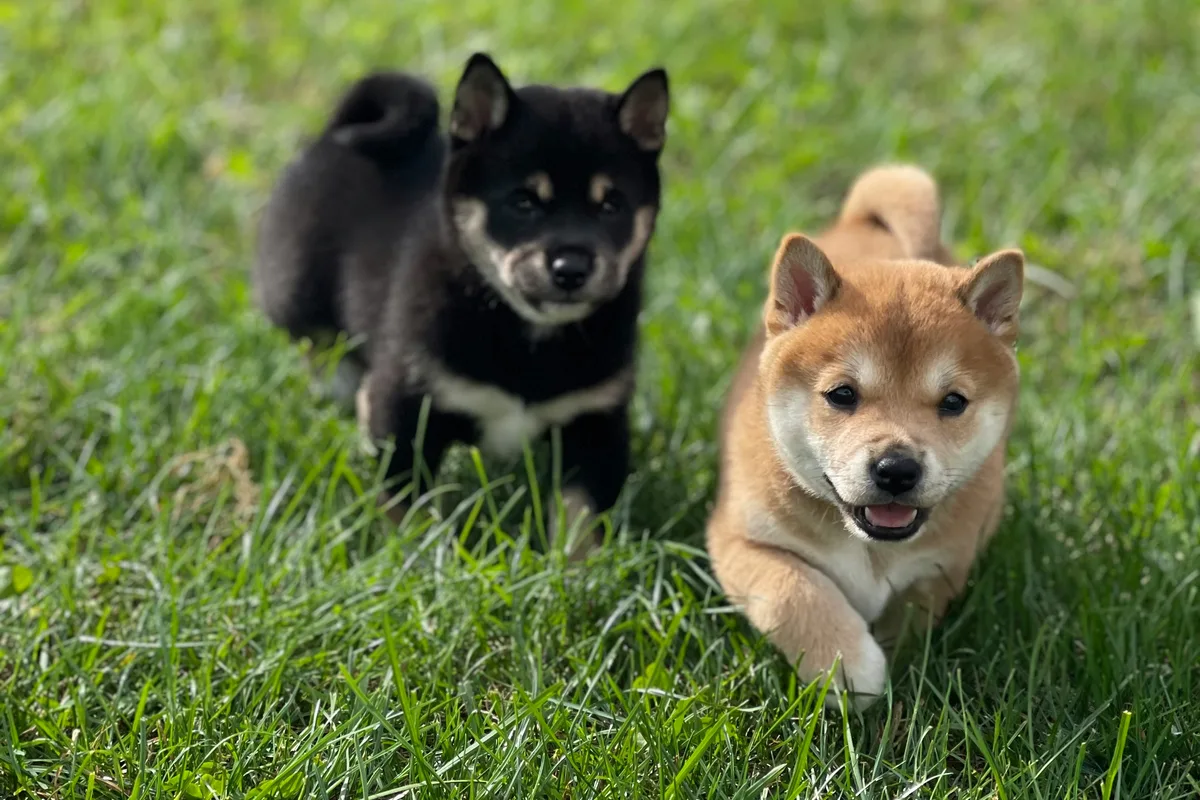
Shiba Inu puppy — allergy prevention LID and DHA food guide

petsShiba Inu Puppy Guide

Shiba Inu Puppy Food Guide

Key food selection points for Shiba Inu puppies (0–12 months): managing allergy predisposition early, DHA for eye health, and preventing patellar issues through weight control.

AAFCO Growth StandardLID Single Protein Recommended

On This Page

  1. 01infoPuppy Stage Traitsarrow_forward
  2. 02nutritionKey Nutrition Pointsarrow_forward
  3. 03calculateCalorie & Feeding Guide by Weightarrow_forward
  4. 04health_and_safetyHealth Management Checklistarrow_forward
  5. 05checklistFood Selection Criteriaarrow_forward
01

Puppy Stage Traits

Puppy Stage (0–12 months)

  • checkAdult frame achieved by 12 months — medium-small build (6–10 kg) forms quickly. Preventing excess weight is the single most important factor for patellar health
  • checkAllergy predisposition window — the proteins introduced earliest in life can become future allergens. Early dietary choices significantly affect the difficulty of later allergy management
  • checkDouble coat development begins — omega-3 from the start supports the skin barrier and coat quality foundation
  • checkIndependent temperament forming — picky eating habits formed in puppyhood are difficult to correct later. Consistency in meal presentation matters

Puppy Stage Key Priorities

① Allergy management — start with a single-protein LID formula to minimize allergen exposure

② Eye health foundation — DHA-containing food (glaucoma-predisposed breed)

③ Patellar protection — weight control + non-slip environment

02

Key Nutrition Points

  • checkMedium-small breed puppy formula — AAFCO "growth" or "all life stages" statement required. Adult food is not appropriate during growth
  • checkMinimum 22% protein (AAFCO growth standard) — supports muscle and skeletal development
  • checkDHA required — brain development and foundational eye health for a breed predisposed to glaucoma
  • checkStart with a single-protein LID formula — Shiba Inus have a strong allergic predisposition. Starting with a limited allergen range makes elimination diets far easier if allergies develop later
  • checkOmega-3 (EPA+DHA) — supports skin barrier and double coat development from the start
  • check3 meals per day — basic blood sugar stability protocol for puppies under 10 kg
03

Calorie & Feeding Guide by Weight

Puppy energy requirement: RER (resting energy requirement) × growth factor 1.5–2.0. Weigh at least weekly during this rapid growth phase.

WeightDaily Calories (Puppy)Notes
2 kg~215–240 kcal/day~2 months (RER × 2.0)
4 kg~340–365 kcal/day~4 months (RER × 1.8)
6 kg~405–445 kcal/day~6 months (RER × 1.6)
8 kg~470–510 kcal/day~9–10 months (RER × 1.5)
warningThese figures are estimates. Calorie density varies by food — always check the puppy feeding guide on the packaging first.
04

Health Management Checklist

  • checkWeigh weekly — monitor growth rate to prevent obesity or underweight during the rapid growth phase
  • checkWatch for early allergy signs — frequent ear scratching, paw licking, or redness around the eyes may indicate a food protein reaction
  • checkPatellar luxation prevention — limit jumping from heights, use non-slip mats. Excess weight increases load on the patella
  • checkTeething (3–6 months) — reduced appetite due to gum discomfort is normal. Puppy-safe chew toys help
  • checkEye health monitoring — Shiba Inus are predisposed to glaucoma. Report redness, cloudiness, or excessive tearing to your vet promptly
  • checkGradual food transitions over 7+ days — digestive system is still developing
05

Food Selection Criteria

Food type criteria for Shiba Inu puppies — not specific brand recommendations.

  • checkAAFCO "growth" or "all life stages" statement confirmed
  • checkSingle animal protein (salmon, duck, or turkey) as first ingredient — LID design for allergy management
  • checkDHA from fish meal or fish oil — brain and eye development support
  • checkOmega-3 included — double coat skin barrier foundation
  • checkMedium-small breed kibble size (~8–12 mm)
  • checkNo artificial colors, BHA, BHT, or synthetic preservatives

자주 묻는 질문

Q. When should I switch my Shiba Inu puppy to adult food?

Shiba Inus generally complete skeletal growth around 12 months. Switch to an adult medium-small breed formula gradually over 7–10 days at this point. If your puppy has allergy tendencies, try to maintain the same single protein source in the adult formula.

Q. Should I start my Shiba Inu puppy on a LID formula from the beginning?

It's not mandatory, but it is recommended. Shiba Inus have a strong predisposition to food allergies in adulthood. Starting with a single-protein formula limits allergen exposure early on, making it much easier to identify the culprit protein if an elimination diet becomes necessary later.

Q. How many times a day should I feed my Shiba Inu puppy?

3–4 times daily from 2–4 months, 3 times from 4–6 months, and 2–3 times after 6 months. Shiba Inus are not as hypoglycemia-prone as toy breeds, but maintaining 3 meals through 6 months supports stable blood sugar during growth.

Q. My Shiba Inu puppy refuses to eat. What should I do?

Shiba Inus are famously stubborn and selective about food. Avoid using human food or high-value treats to coax eating — it reinforces picky behavior. Adding a small amount of warm water to enhance aroma or switching to a puzzle feeder can help. Contact your vet if food refusal lasts more than 2 days.

Q. Can I prevent patellar luxation through diet?

Complete prevention is not possible, but progression can be slowed. Limit jumping from sofas and beds, and use non-slip mats throughout the home. Nutritionally, preventing obesity during the puppy stage is the most important factor. Glucosamine and chondroitin become more meaningful from adulthood, but omega-3 for joint health is worth maintaining from puppyhood.

Related Guides

warningThis page is for general educational purposes. Consult a veterinarian for health concerns specific to your dog.