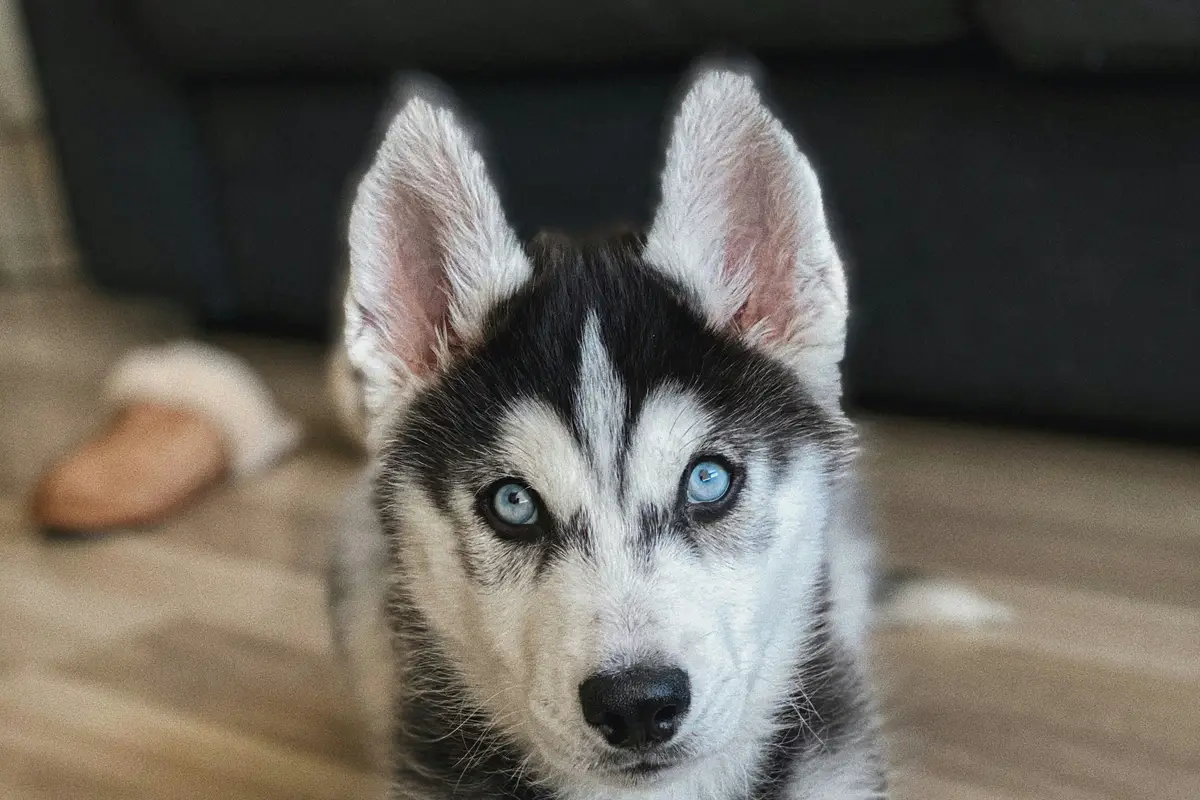
시베리안 허스키 성견 가이드
허스키 성견 사료 가이드
18개월~8세 시베리안 허스키. 고단백 유지, 아연 ZRD 관리, 이중 코트 오메가3, 고관절 지원을 전문 자료 기반으로 정리했습니다.
AAFCO 성견 기준WSAVA 영양 가이드라인NRC 2006 기준
이 페이지의 목차
01
이 시기의 특성
성견기 (10개월~7세)
- 고활동 에너지 요구 — 하루 1~2시간 운동이 필요한 썰매견 계열. 활동량에 따른 칼로리 조정이 중요합니다
- 아연 결핍 지속 위험 — ZRD는 성견기에도 나타날 수 있습니다. 아연 강화 사료와 정기 피부 관찰이 필요합니다
- 이중 코트 계절 환모 — 봄·가을 대규모 털갈이. 오메가3 충분한 사료가 모질과 피부 장벽 유지에 도움
- 고관절 이형성 주의 — 2~3세 이후 X-ray 검진 권장. 글루코사민·콘드로이틴 함유 사료로 예방적 관리
성견기 (10개월~7세) 핵심 관리 포인트
① 고단백(DM 28%+) — 근육·지구력 유지
② 아연 강화 — ZRD 지속 관리
③ 오메가3 + 글루코사민 — 이중 코트·관절 복합 케어
02
핵심 영양 포인트
- 고단백(DM 28% 이상) — 허스키는 고활동 대형견. 단백질이 충분해야 근육량과 지구력이 유지됩니다. 닭고기·연어·칠면조 등 동물성 단백질이 첫 번째 원료인 제품 선택
- 아연 강화 필수 — 성견기에도 ZRD(아연 반응성 피부염) 관리 필요. 아연 함량이 충분한 사료를 선택하고, 필요 시 수의사 처방 하 아연 보충제 병행
- 오메가3(EPA+DHA) 포함 — 이중 코트 피모 관리와 관절 염증 억제. 연어·청어 등 어류 지방 기반 원료가 이상적
- 글루코사민·콘드로이틴 포함 — 고관절 이형성 위험 견종. 성견기부터 관절 지원 성분이 포함된 사료 선택 권장
- 활동량에 따른 칼로리 조절 — 활발히 운동하는 경우 하한값에서 +15~25% 추가. 운동 부족 실내견은 비만에 주의
- 타우린 확인 — 그레인프리 사료 선택 시 타우린 함량 또는 원료 확인 (FDA DCM 경고 이후 중요성 증가)
03
체중별 급여량·칼로리 표
성견의 하루 에너지 요구량(RER × 1.6 기준). 중성화 여부·활동량에 따라 ±20% 조정하세요.
| 체중 | 하루 권장 칼로리 | 비고 |
|---|---|---|
| 16kg | 약 620~740 kcal | 암컷 소형 체형 기준 |
| 20kg | 약 740~880 kcal | 암컷 평균 체중 기준 |
| 23kg | 약 830~985 kcal | 수컷 소형~평균 기준 |
| 27kg | 약 940~1,120 kcal | 수컷 최대 체중 기준 |
⚠ 위 수치는 참고용입니다. 사료마다 칼로리가 다르므로 반드시 포장지 급여 기준표를 우선 확인하세요.
💡 체중이 이상 체중의 ±10% 이내로 유지되는지 월 1회 체크하세요. 살짝 과체중인 경우 간식 칼로리부터 줄이세요.
04
건강 관리 체크리스트
- 4~6주마다 체중 측정 — 허스키는 활동량에 따라 체중 변동이 크므로 정기적 확인 필요
- 아연 결핍 증상 주의 — 코, 발바닥, 눈 주위 각질·딱지 형성 시 수의사 진료. ZRD는 식이 관리와 보충제로 개선 가능
- 이중 코트 관리 — 환모 시기에 오메가3 사료가 도움이 됩니다. 계절적 털 빠짐은 정상이나 비계절적 과도한 탈모는 갑상선 이상 의심
- 고관절 정기 검진 — 2~3세 이후 X-ray 검진 권장. 글루코사민 함유 사료로 예방적 관리
- 운동 관리 — 하루 1~2시간 이상 운동 필수. 운동 부족은 비만·행동 문제·관절 악화로 이어집니다
- PRA 정기 안과 검진 — 연 1회 안과 전문 수의사 검진 권장
05
사료 선택 기준
특정 브랜드 추천 대신, 시베리안 허스키 성견에게 잘 맞는 사료 타입 기준을 정리했습니다.
- 고단백(DM 28% 이상) — 동물성 단백질 첫 번째 원료
- 아연 강화 — ZRD 관리
- 오메가3(EPA+DHA) — 이중 코트·관절 염증 억제
- 글루코사민·콘드로이틴 — 고관절 지원
- 그레인프리 선택 시 타우린 함량 확인
- 인공색소·BHA·BHT·에톡시퀸 미함유
자주 묻는 질문
허스키 성견 사료는 퍼포먼스 사료가 좋나요? +
하루 1~2시간 이상 적극적으로 운동하는 허스키라면 고단백·고지방 퍼포먼스 사료(단백질 28~30%, 지방 18~20%)가 적합할 수 있습니다. 그러나 실내에서 주로 생활하며 운동량이 부족한 경우 칼로리 과잉으로 비만이 될 수 있습니다. 활동량에 맞는 칼로리 조정이 중요합니다.
허스키가 밥을 잘 안 먹는 편인데 정상인가요? +
네, 허스키는 다른 견종보다 소식하는 경향이 있습니다. 혹한에서 적은 에너지로 효율적으로 움직이도록 진화한 특성입니다. 활동적이고 건강해 보인다면 걱정하지 않아도 됩니다. 다만 갑작스러운 식욕 감소가 수일 이상 지속된다면 수의사 진료를 받으세요.
허스키 털이 너무 빠지는데 사료로 줄일 수 있나요? +
계절 환모(봄·가을)는 이중 코트 견종의 정상적인 현상으로 사료로 완전히 막을 수 없습니다. 오메가3(EPA+DHA)와 아연이 충분한 사료는 모질 개선과 비계절적 탈모 감소에 도움이 됩니다. 환모 시기 외 과도한 탈모는 갑상선 기능 저하증, 아연 결핍 등을 의심하고 수의사 진료를 받으세요.
허스키에게 그레인프리 사료가 맞나요? +
알레르기 원인이 곡물로 확인된 경우가 아니라면 반드시 그레인프리일 필요는 없습니다. FDA DCM(확장성 심근증) 조사에서 그레인프리 사료와의 관련성이 보고된 바 있습니다. 그레인프리를 선택할 경우 타우린 함량을 확인하거나 심장 전문 수의사와 상담하세요.
시베리안허스키 성견 추천 사료 — 고단백·피모 케어
아래 제품은 참고용 예시입니다. 반드시 우리 아이 상태와 수의사 의견을 우선하세요.
ℹ 이 페이지는 쿠팡 파트너스 활동의 일환으로, 이에 따른 일정액의 수수료를 제공받습니다.
다른 연령대 가이드
관련 가이드
⚠️ 이 페이지의 정보는 일반적인 교육 목적입니다. 건강 문제가 있는 경우 수의사와 상담하세요.