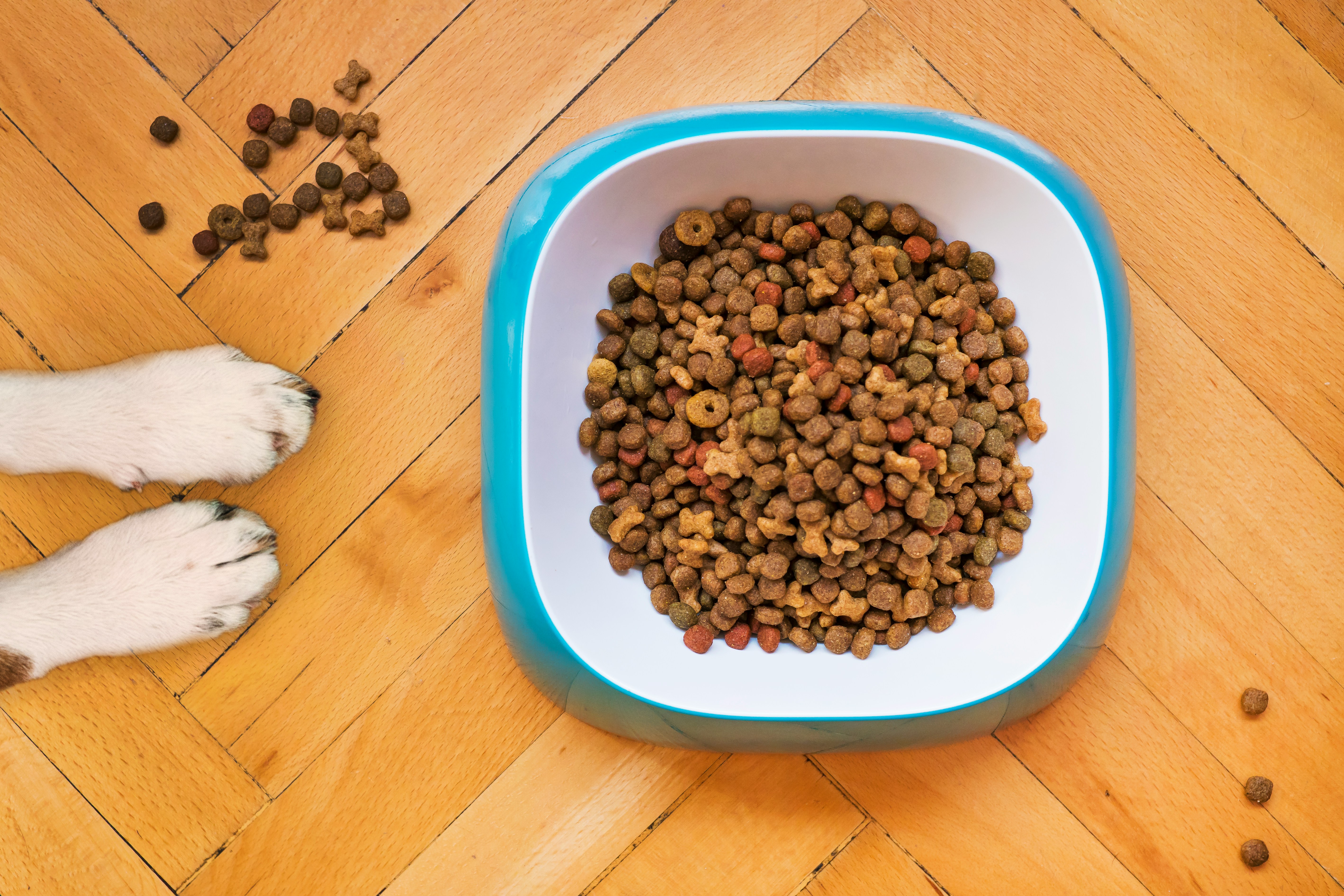
강아지 덴탈 간식 추천
3세 이상 강아지의 80%가 치주 질환을 갖고 있습니다. 씹는 마찰로 치태를 물리적으로 제거하는 덴탈 간식 선택 기준을 안내합니다.
덴탈 간식의 작동 원리
치석은 치태(플라크)가 석회화된 것입니다. 덴탈 간식의 기계적 마찰이 치태가 굳기 전에 제거합니다.
효과를 높이려면 ① 강아지가 충분히 씹어야 하고 ② 치아 표면 전체에 접촉해야 합니다. 그냥 통째로 삼키거나 크기가 맞지 않으면 덴탈 효과는 0에 가깝습니다.
VOHC 인증 — 수의구강건강위원회(Veterinary Oral Health Council)가 임상 연구를 통해 치태·치석 감소 효능을 검증한 제품에만 부여합니다. 인증이 없는 제품은 마케팅 주장만 있을 수 있습니다.
덴탈 간식 선택 체크포인트
크기 = 체중에 맞게
너무 작으면 통째로 삼켜 질식 위험, 너무 크면 씹지 않고 방치합니다. 제품 권장 체중 표기를 반드시 확인하세요.
VOHC 인증 확인
수의구강건강위원회(VOHC) 인증 제품은 치태·치석 감소 효능이 임상으로 검증됐습니다. 인증 마크가 없는 제품은 효과 불확실합니다.
자일리톨 없음
일부 덴탈 껌에 자일리톨이 포함됩니다. 사람용으로도 안전한 성분이지만 강아지에겐 치명적입니다.
적절한 경도 — 손톱 자국 기준
덴탈 간식에 손톱으로 눌렀을 때 자국이 나야 합니다. 자국이 안 나면 너무 딱딱해 이가 부러질 위험이 있습니다.
소화 가능 소재
나일론·플라스틱 재질은 소화되지 않아 장폐색 위험이 있습니다. 천연 재료(소가죽·감자전분·녹차 추출물)로 만든 제품을 선택하세요.
안전한 경도 기준
✓
적절
손톱으로 눌렀을 때 자국이 남는 경도 — 씹기 적합
⚠
주의
뿔·말린 귀·발굽류 — 너무 딱딱해 이가 부러질 수 있음
✕
금지
나일론·플라스틱 — 소화 불가, 장폐색 위험
덴탈 간식만으로 충분한가요?
덴탈 간식은 칫솔질의 대체가 아닌 보완재입니다. 치아 사이·잇몸 경계선의 치태는 칫솔이 닿아야 제거됩니다. 덴탈 간식은 치아 표면의 치태 형성을 늦추는 역할을 합니다.
칫솔질
주 2~3회 이상
치아 사이·잇몸 경계 치태 제거
덴탈 간식
매일
치아 표면 치태 감소
덴탈 껌만
매일
치태 감소 효과 제한적
가장 효과적인 조합: 주 2~3회 칫솔질 + 매일 VOHC 인증 덴탈 간식. 칫솔질을 시작하기 어렵다면 손가락 칫솔이나 덴탈 와이퍼로 시작하세요.
VOHC 인증 제품과 일반 덴탈 간식 — 무엇이 다를까
덴탈 간식 시장에는 '스케일링 효과', '치석 제거'를 내세우는 제품이 많습니다. 하지만 이 주장을 뒷받침하는 임상 근거는 제품마다 크게 다릅니다.
VOHC 인증 제품 — 효능에 근거가 있을 때
독립 임상 연구를 통해 치태 또는 치석 감소가 검증된 제품에만 VOHC 마크가 부여됩니다. 예산이 허용한다면 VOHC 인증 제품을 1순위로 선택하세요. 글로벌 브랜드 중 그리니즈(Greenies)가 대표적입니다.
일반 덴탈 제품 — 구조와 소재로 고를 때
VOHC 인증이 없어도 씹는 마찰 자체가 치태 형성을 늦추는 효과는 있습니다. 이 경우 칫솔 모양·리지 구조처럼 치아 표면 접촉을 극대화하는 형태의 제품을 고르고, 체크포인트의 크기·경도·소화 가능 소재 기준을 반드시 확인하세요.
자주 묻는 질문
덴탈 간식을 매일 줘도 되나요? +
치석이 이미 생겼는데 덴탈 간식으로 없앨 수 있나요? +
퍼피에게 덴탈 껌을 줘도 되나요? +
크기가 맞지 않는 덴탈 껌을 줘도 되나요? +
덴탈 간식 추천
참고 문헌
- [1]AAFCO (2023). Official Publication: Dog and Cat Food Ingredient Definitions. Association of American Feed Control Officials.