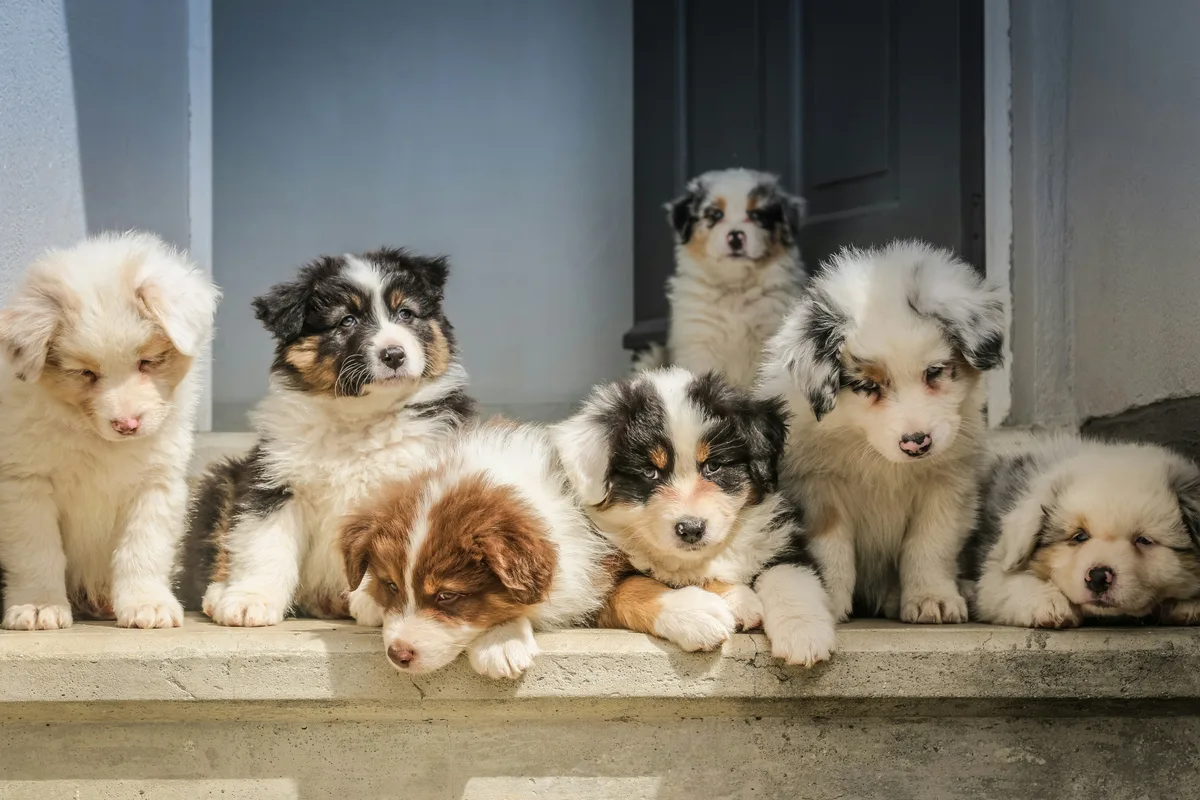
Puppy dog food guide

eggPuppy Guide

Puppy Dog Food Guide (0–12 Months)

During the first 12 months, puppies need high-protein, nutrient-dense food to support rapid growth. Here's what matters most — by stage.

Guides by Stage

0–12 Mo.

Puppy Food Period

Small breeds: 10–12 months

22.5%+

Minimum Protein

AAFCO Puppy Standard

3–4x/Day

Recommended Meals

Young puppies: 4–5x/day

Key Nutritional Points

nutrition

Protein 22.5%+ (AAFCO Puppy Standard)

High-quality animal protein is essential for muscle, organ, enzyme, and hormone development during rapid growth.

favorite

Calcium:Phosphorus = 1:1 to 2:1

Critical for bone and teeth formation. Adding calcium supplements separately can cause skeletal abnormalities — never supplement.

water_drop

DHA Included

DHA is an omega-3 fatty acid vital for brain cell and retinal development. Look for fish oil or salmon in the ingredients.

schedule

Feed 3–4 Times Daily

Young puppies have small stomachs and blood sugar drops easily. Small, frequent meals are more important than large ones.

Puppy Development Stages at a Glance

Category0–3 Months4–6 Months7–12 Months
Growth RateVery rapid (birth weight ×3–4)Fastest phase (peak growth)Gradually slowing
Meals Per Day4–5 times3–4 times2–3 times
Food TextureStarter formula or moistened kibbleRegular dry puppy kibbleRegular dry puppy kibble
Key NutrientsDHA, colostrum immunity, proteinCa:P ratio, protein, energyMaintain protein, reduce calories gradually
Key Watch-outHypoglycemia (no 4hr+ fasting)Large breed: avoid excess calciumPrepare for adult food transition
Adult TransitionSwitch at 80% of adult weight
Vet VisitFirst visit at 6–8 weeks2nd–3rd vaccinesDiscuss neuter timing

Special Warnings

pets

Large Breed Puppies — Use Breed-Specific Food

Feeding a large breed puppy regular or small breed puppy food can cause excess calcium and calorie intake, leading to skeletal disorders (HOD, OCD). Always use food labeled “Large Breed Puppy.” Never add calcium supplements — this applies to homemade diets too.

warning

Small Breed Puppies — Hypoglycemia Risk

Small breed puppies (Maltese, Chihuahua, Pomeranian) are at high risk of hypoglycemia. Do not allow more than 4 hours between feedings. Signs: trembling, stumbling, lethargy, seizures. If these appear, apply a small amount of honey or corn syrup to the gums and go to a vet immediately.

Check if you're feeding the right amount

Enter your puppy's weight, age, and activity level for an instant portion estimate.

Calculate Portions →

Frequently Asked Questions

Q. How long should puppies eat puppy food?

Small breeds until 10–12 months, medium breeds until 12 months, large breeds until 18–24 months. A good rule of thumb: when your puppy reaches 80–90% of their expected adult weight, it's time to transition to adult food over 7–10 days.

Q. Can I give my large breed puppy regular puppy food?

No. Regular or small breed puppy food has higher calcium and phosphorus levels that can cause skeletal abnormalities in large breed puppies. Always use food specifically labeled 'Large Breed Puppy' and never add separate calcium supplements.

Q. How many times a day should I feed my puppy?

0–3 months: 4–5 times/day. 3–6 months: 3–4 times/day. 6+ months: 2–3 times/day. Puppies have small stomachs and are prone to blood sugar drops, so frequent small meals are important.

Q. Why is DHA important in puppy food?

DHA (docosahexaenoic acid) is an omega-3 fatty acid essential for brain cell development, vision, and nervous system formation during the critical growth period. AAFCO guidelines recommend DHA in puppy foods — look for fish oil or salmon listed in the ingredients.

Q. Can I feed my puppy raw food or a home-cooked diet?

Raw or home-prepared diets carry a significant risk of nutritional imbalance in growing puppies. An incorrect calcium-to-phosphorus ratio can cause skeletal disorders. If you want to pursue this route, work with a board-certified veterinary nutritionist to formulate a complete and balanced diet. Commercial AAFCO-compliant puppy food is generally the safest option.

Q. My puppy won't eat — what should I do?

Food refusal in puppies is common when switching foods. Transition over 7–10 days by gradually mixing the new food with the old. Adding a small amount of warm water can help enhance the aroma. If your puppy refuses food for more than 1–2 days, or if vomiting or diarrhea accompanies the refusal, consult a vet.

Related Guides

Last updated: April 2026