
견종별 사료 가이드
25개 견종의 체질·건강 이슈·급여량을 반영한 맞춤 가이드. 나이별 상세 가이드와 피부·소화·관절 등 건강 문제별 전용 사료 추천 페이지로 이어집니다.
핵심 요약
- 견종마다 취약한 건강 문제가 다름 — 소형견 치주, 대형견 관절 사료 선택 포인트도 견종별로 달라짐
- 대형견 퍼피는 전용 사료 필수 — 칼슘 과잉 시 골격 이상 골연골증·비대성 골이영양증 위험
- 소형견은 체중 대비 칼로리 요구량이 높음 대사율이 높아 에너지 밀도 확인 필요
- 퍼피·성견·시니어 각 단계별 가이드 제공 체중별 급여량·건강 이슈별 식이 포함
견종마다 사료가 달라야 하는 이유
강아지의 체형과 견종은 사료 선택에 직접적인 영향을 미칩니다. 같은 성견이라도 치와와(2kg)와 골든리트리버(30kg)의 하루 칼로리 필요량은 4~5배 이상 차이가 납니다. 더 중요한 것은 단순히 양만 다른 것이 아니라, 견종별로 취약한 건강 문제와 그에 따른 영양 관리 포인트가 다르다는 점입니다.
소형견은 일반적으로 대형견보다 대사율이 높아 체중 대비 더 많은 칼로리가 필요하고, 치아가 작아 치주 질환 위험이 높습니다. 말티즈·비숑 같은 견종은 눈물자국과 피부 알레르기 문제가 잦아 가수분해 단백질 또는 단일 단백질 사료를 고려해야 할 수 있습니다. 중·대형견 중에서는 골든리트리버·래브라도가 비만과 관절 문제에 취약하며, 보더콜리는 높은 활동량에 맞는 에너지 밀도 높은 사료가 필요합니다.
특히 대형견 퍼피는 성장기 칼슘·인 비율 관리가 매우 중요합니다. 과잉 칼로리나 칼슘을 공급하면 골연골증, 비대성 골이영양증 같은 골격 이상이 생길 수 있기 때문에, 반드시 대형견 퍼피 전용으로 설계된 사료를 선택해야 합니다. 각 견종 페이지에서는 퍼피·성견·시니어별로 구체적인 영양 기준과 사료 선택 체크리스트를 제공합니다.
견종별 가이드 이용 방법
각 견종 페이지에서 퍼피 / 성견 / 시니어 3단계 상세 가이드로 이동할 수 있습니다. 체중별 급여량, 건강 이슈별 식이 관리, 사료 선택 체크리스트를 제공합니다.
소형견
10kg 이하 11종










중형견
10~25kg 10종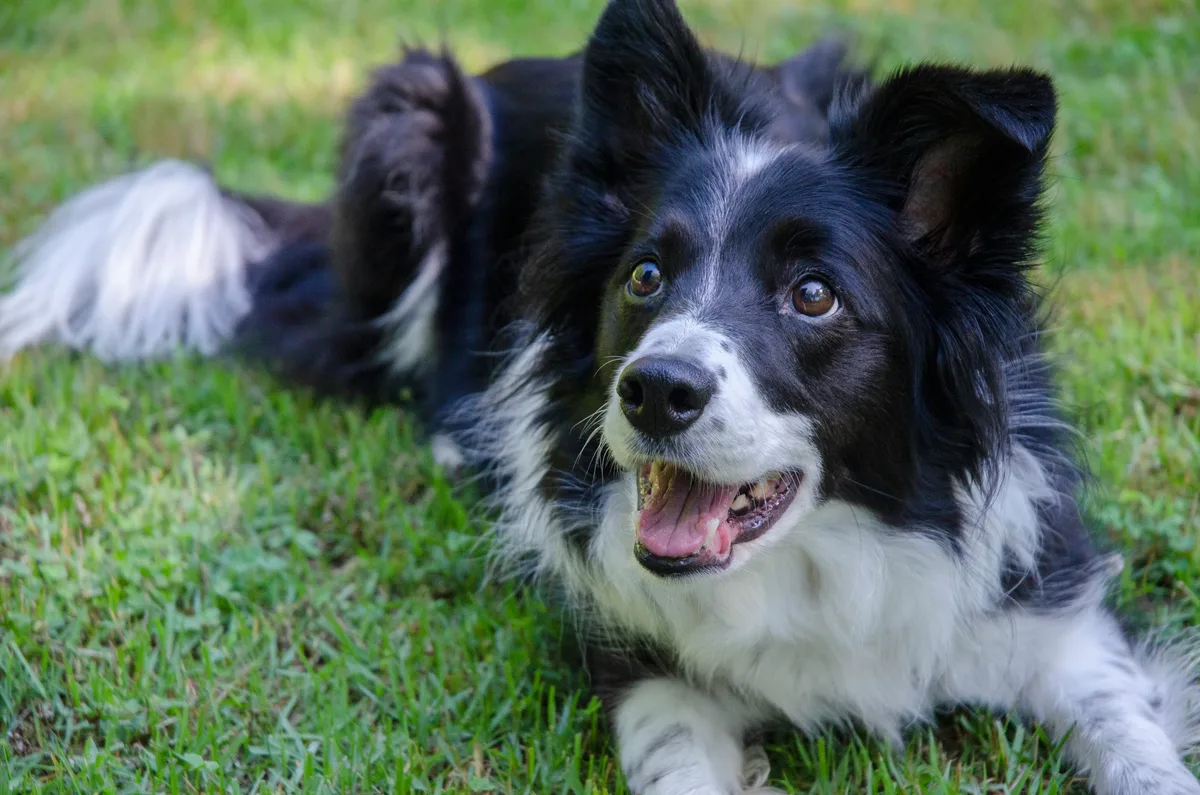












자주 묻는 질문
Q. 견종마다 사료를 다르게 먹여야 하나요? +
반드시 그렇지는 않지만, 견종별 체형·대사율·건강 취약점이 달라 맞춤 선택이 도움됩니다. 말티즈·비숑 같은 소형견은 눈물자국·피부 알레르기가 잦고, 골든리트리버·래브라도는 비만·관절 문제에 취약합니다. 기본은 AAFCO 완전영양식이지만, 견종 특성을 반영한 사료라면 장기적으로 건강 관리에 유리합니다.
Q. 소형견 사료와 대형견 사료의 차이는 무엇인가요? +
알갱이 크기, 칼로리 밀도, 칼슘·인 비율이 다릅니다. 소형견 사료는 작은 입에 맞게 알갱이가 작고 에너지 밀도가 높습니다. 대형견 사료는 골격 성장을 고려해 칼슘·인 비율을 낮게 설계하며, 특히 대형견 퍼피 전용 사료는 과잉 성장 억제를 위한 칼로리 조절이 핵심입니다.
Q. 대형견 퍼피에게 일반 퍼피 사료를 줘도 되나요? +
권장하지 않습니다. 일반 퍼피 사료는 소형·중형견 성장 속도에 맞춰 칼로리와 칼슘 함량이 높게 설계되어 있습니다. 대형견 퍼피에게 급여하면 과잉 칼슘으로 골연골증, 비대성 골이영양증 같은 골격 이상이 생길 수 있습니다. 반드시 '대형견 퍼피 전용' 제품을 선택하세요.
Q. 시바견·보더콜리처럼 활동적인 견종은 어떤 사료가 좋나요? +
에너지 밀도가 높고 단백질 함량이 충분한 사료가 적합합니다. 활동량이 많은 견종은 같은 체중의 소형견보다 하루 칼로리 필요량이 20~30% 높을 수 있습니다. 사료 포장의 급여량 기준은 평균값이므로, RER 공식으로 개인화 계산 후 활동 계수를 적용하는 것이 좋습니다.
Q. 믹스견도 견종별 가이드를 참고할 수 있나요? +
체중과 체형을 기준으로 가장 가까운 크기 분류(소형·중형·대형)를 참고하세요. 믹스견은 특정 견종 건강 이슈가 덜 집중되는 경향이 있지만, 체중·나이·활동량에 맞는 AAFCO 완전영양식을 기본으로 선택하면 됩니다.
Q. 퍼피와 성견, 시니어 사료를 반드시 구분해야 하나요? +
네, 생애 단계별 영양 요구량이 다릅니다. 퍼피는 성장에 필요한 단백질·칼슘·DHA가 더 필요하고, 시니어는 관절·신장·인지 기능을 고려한 성분이 중요합니다. 각 견종 페이지에서 퍼피·성견·시니어 단계별 상세 가이드를 확인할 수 있습니다.
관련 가이드