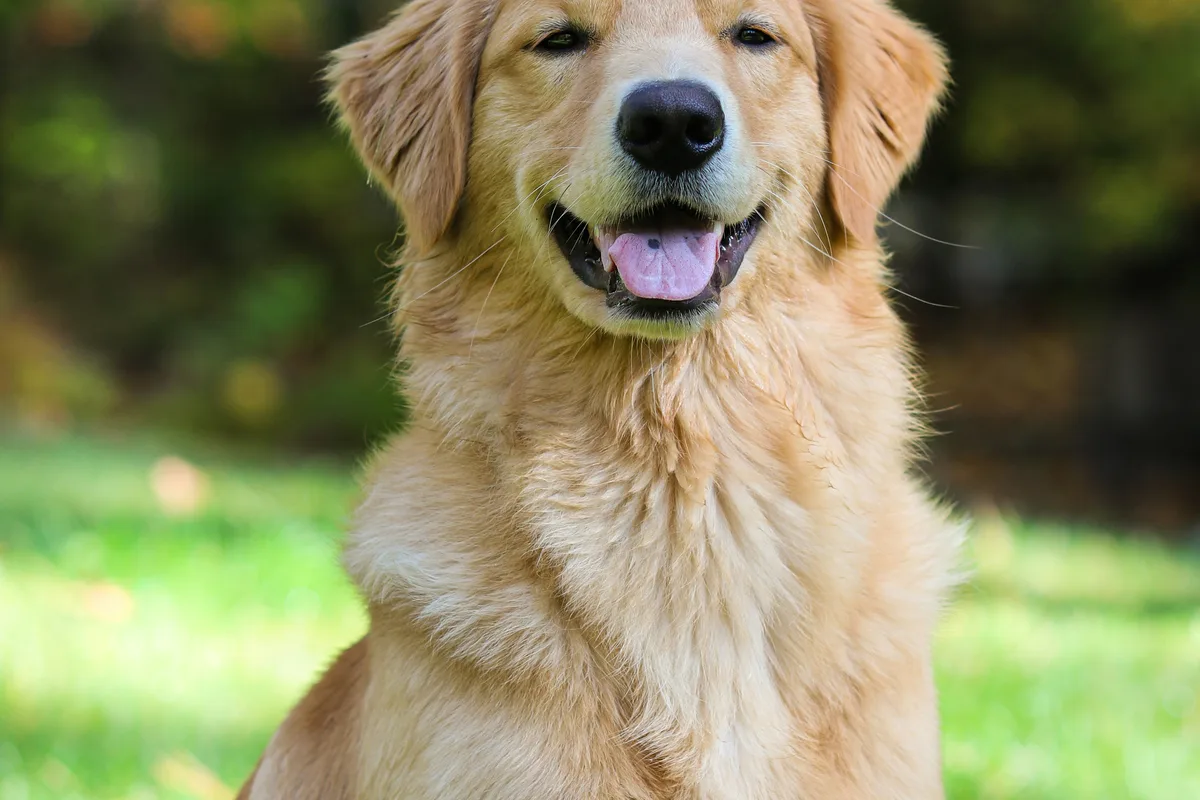
Dog hair loss and coat health — nutritional causes and food solutions

healingSkin & Coat

Dog Hair Loss & Coat Health Guide

Excessive shedding and a dull, thinning coat can stem from nutritional deficiency, hormonal disease, or food allergy. Understanding the cause determines whether diet change — or a vet visit — is the right next step.

White 1993NRC 2006Harvey 1994Watson 1998

Key Summary

  • 01

    Hair loss is more often caused by endocrine disease, allergy, or infection than diet alone.

  • 02

    Nutritional hair loss — zinc, omega-3, or biotin deficiency — resolves with a complete balanced diet.

  • 03

    Bilateral symmetric or circular alopecia suggests disease; see a vet before changing food.

How often is diet the cause of hair loss?

Watson (1998): while nutrition plays a significant role in coat health, hair loss is more frequently caused by endocrine disease, allergy, or infection than nutritional deficiency alone. The most common nutritional causes are zinc deficiency, omega-3 insufficiency, and biotin depletion — all of which can be addressed by switching to a complete balanced diet.

3 Major Causes of Hair Loss

Identifying the cause is the essential first step before adjusting diet.

Nutritional Deficiency — Zinc, Biotin & Omega-3

White 1993 · NRC 2006
  • checkZinc-responsive dermatosis: common in northern breeds (Siberian Husky, Malamute) due to impaired zinc absorption. White (1993): zinc deficiency causes crusting and hair loss around the nose, eyes, and paw pad margins.
  • checkHigh-calcium diets impair zinc absorption — zinc deficiency can occur even when dietary zinc is adequate if calcium supplementation is excessive.
  • checkBiotin (Vitamin B7) deficiency: avidin in raw egg whites blocks biotin absorption. Deficiency causes hair loss, dry skin, and scale formation.
  • checkOmega-3/6 imbalance: NRC (2006) — diets lacking fish oil show dull coat, dandruff, and dry-type hair loss. EPA/DHA from marine sources are more bioavailable than plant-source ALA.

Hypothyroidism (Endocrine Hair Loss)

Hand 2010
  • checkThe most common endocrine disorder in dogs. Most prevalent in middle-aged to senior Labrador Retrievers, Golden Retrievers, and Dobermans.
  • checkReduced thyroid hormone → decreased basal metabolic rate → bilateral symmetric alopecia (tail, trunk), skin thickening, weight gain, and lethargy.
  • checkDietary iodine is essential for thyroid hormone synthesis — both excess and deficiency can disrupt thyroid function.
  • checkHypothyroidism cannot be treated with diet alone — veterinary hormone therapy is required. Coat improvement typically takes several months post-treatment.

Food Allergy & Skin Infection (Secondary Alopecia)

Harvey 1994
  • checkHarvey (1994): analysis of 25 food allergy cases — when hair loss is accompanied by pruritus and recurrent skin infections, dietary causes should be suspected. Beef, dairy, and wheat are the primary allergens.
  • checkDemodicosis: overpopulation of Demodex mites under immunosuppressed conditions → localized or generalized alopecia. Poor nutrition can worsen immune dysfunction.
  • checkRingworm (Dermatophytosis): circular localized alopecia; can be transmitted to humans. Nutritional support — zinc, Vitamin E, omega-3 — aids recovery.

Symptom-to-Cause Routing Table

Use this table to quickly match symptom patterns to likely causes and next steps.

SymptomLikely CauseNext Step
Bilateral symmetric hair loss + lethargy & weight gainHypothyroidismSee a vet immediately
Crusting around nose/eyes + alopecia (Nordic breeds)Zinc-responsive dermatosisSkin Allergy Guidearrow_forward
Pruritus with hair loss + recurrent ear infectionsFood allergyAllergy Guidearrow_forward
Circular, localized hair lossRingworm (Dermatophytosis)See a vet immediately
Dandruff, dry coat + diffuse hair lossOmega-3 deficiencySkin & Coat Care Guidearrow_forward

Food Selection Criteria for Coat Health

Adequate Zinc with Minimal Absorption Inhibitors

Choose a food meeting AAFCO (2023) zinc levels (≥ 120 mg/kg DM basis). Avoid combining with excessive calcium supplementation — calcium competes with zinc for absorption and can induce deficiency even when dietary zinc is sufficient.

Marine-Source Omega-3 (EPA + DHA)

Prioritize EPA/DHA from fish oil over plant-source ALA, which has poor conversion efficiency in dogs. NRC (2006): diets meeting EPA+DHA recommendations show measurable improvements in coat gloss and reduction in hair loss.

Hydrolyzed or Novel Protein Diet

For suspected food allergy hair loss, conduct an 8-week elimination diet trial and assess response. Choose products with verified no cross-contamination — manufacturer dedicated production lines matter.

Biotin & Vitamin E Fortified Foods

Both nutrients act directly on coat health. Discontinue raw egg white feeding. Most AAFCO/NRC-compliant complete diets provide sufficient biotin and Vitamin E without additional supplementation.

lightbulb

When adding fish oil as a separate supplement, start at 30–50 mg EPA+DHA per kg body weight daily. Excessive omega-3 can impair platelet function — coordinate dosage with your vet, especially if the dog is on any medication.

자주 묻는 질문

Q. Does hair loss always mean a dietary problem?

No. Hair loss causes include nutritional deficiency, endocrine disease (thyroid), allergies, demodicosis, and fungal infection. Bilateral symmetric alopecia or circular patchy alopecia are more likely disease-related and warrant veterinary examination first. Nutritional hair loss typically presents as diffuse thinning with dullness throughout the coat.

Q. Can I give zinc supplements on my own?

Excess zinc is toxic and can cause hemolytic anemia. Rather than adding supplements without a veterinary diagnosis, choose a complete balanced food that meets AAFCO/NRC zinc standards. Zinc supplementation should only be considered under veterinary guidance, specifically when zinc-responsive dermatosis has been diagnosed.

Q. How long does it take to see coat improvement from omega-3 supplementation?

Coat improvement typically appears after 6–12 weeks of continuous supplementation. Watson (1998): coat gloss and dandruff improvement was confirmed at the 12-week mark with omega-3 supplementation. Do not expect immediate results. Start at 30–50 mg EPA+DHA per kg body weight and consult your vet, as excess omega-3 can affect platelet function.

Q. Should I give a biotin supplement?

Biotin deficiency is rare in dogs fed a complete balanced diet. If you frequently feed raw egg whites or the dog has been on long-term antibiotic therapy, biotin deficiency is possible. Consult your vet before adding supplements. If feeding eggs, cook them — this neutralizes avidin and eliminates the biotin absorption problem.

Q. Hair loss worsened after switching foods — what should I do?

Worsening hair loss after a food change may indicate a food allergy reaction to the new food. Revert to the previous food or begin an 8-week hydrolyzed protein elimination trial and consult a veterinary dermatologist. Rapidly cycling through multiple foods makes identifying the allergen much harder.

Q. Can seasonal shedding be managed through diet?

Spring and fall coat blowout is a normal physiological process. Omega-3 supplementation and a balanced diet support coat health during shedding season. However, non-seasonal, persistent alopecia should raise suspicion of underlying disease. If hair loss continues year-round without improvement, veterinary evaluation is warranted.

Related Guides

References

  1. [1]NRC (2006). Nutrient Requirements of Dogs and Cats. National Academies Press.
  2. [2]White, S.D. (1993). Zinc-responsive dermatosis in dogs. Vet Dermatol, 4(3), 107–115.
  3. [3]Harvey, R.G. (1994). Food allergy and dietary intolerance in dogs: a report of 25 cases. J Small Anim Pract, 34(4), 175–179.
  4. [4]Hand, M.S. et al. (2010). Small Animal Clinical Nutrition, 5th ed. Mark Morris Institute.
  5. [5]Watson, T.D.G. (1998). Diet and skin disease in dogs and cats. J Nutr, 128(12), 2783S–2789S.
  6. [6]AAFCO. (2023). Dog Food Nutrient Profiles.
local_hospital

If hair loss is patchy, asymmetric, or accompanied by skin changes, lethargy, or weight changes, consult a veterinarian before modifying diet. Dietary changes alone will not resolve disease-caused hair loss and may delay proper diagnosis. The content on this page is for general educational purposes only and does not substitute veterinary advice.